Treatment Resistant Depression TMS: Understanding TMS, A New Hope
Living with Major Depressive Disorder, especially when it becomes treatment-resistant depression, can feel overwhelming. This mental health condition brings persistent sadness, loss of interest in daily activities, and changes in sleep or appetite. For many people, these symptoms make work and home life incredibly challenging.
This guide is for individuals and families seeking alternatives when standard depression treatments have not worked, and for anyone interested in learning about new, evidence-based options for treatment-resistant depression. Understanding this topic matters because treatment-resistant depression affects a significant portion of people with depression, and innovative therapies like TMS offer new hope when traditional methods fall short.
When traditional approaches like medication and therapy don't provide enough relief, it's easy to feel hopeless. This is what doctors call treatment-resistant depression. But there is genuine hope on the horizon.
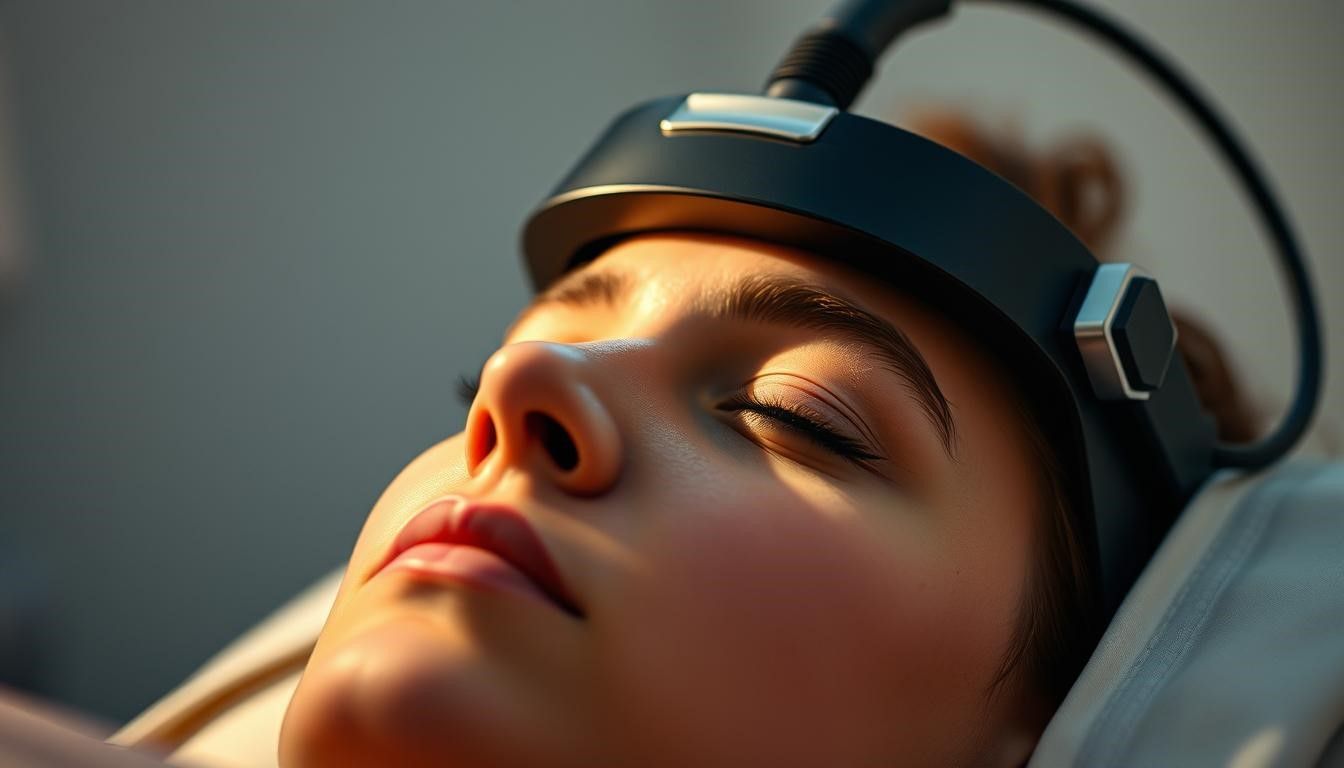
Transcranial Magnetic Stimulation offers a breakthrough for those who haven't found success with conventional methods. This FDA-approved approach uses magnetic pulses to stimulate specific brain regions. It's a non-invasive procedure that can make a real difference.
Revitalizing Remedies in Morris and Sussex County, New Jersey, our team specializes in this innovative treatment. We believe in helping patients rediscover their true selves. Our mission is to support people in becoming who they were meant to be.
This guide will walk you through how TMS works and what to expect during sessions. Understanding your options is the first step toward reclaiming your quality of life. If you'd like to learn more, we invite you to contact us at (201)-727-3241 or visit our website at https://revitalizingremedies.com/
Key Takeaways
- TMS is an FDA-approved treatment for depression that hasn't responded to other methods
- TMS is FDA-approved for treatment-resistant depression.
- TMS is particularly effective for treatment-resistant depression (TRD).
- This non-invasive approach uses magnetic pulses to stimulate brain activity
- Major Depressive Disorder affects daily functioning and quality of life
- Revitalizing Remedies offers specialized care in Morris and Sussex County, NJ
- Understanding treatment options is the first step toward mental wellness
- The clinic focuses on helping people rediscover their true potential
- Professional guidance is available to determine if TMS is right for you
Overview of TMS for Depression
Navigating the challenges of a mood condition that resists conventional care requires innovative solutions. Transcranial magnetic stimulation represents a significant advancement in mental health care.
TMS is FDA-approved for treatment-resistant depression.
Understanding the Basics of TMS
This approach received FDA clearance in 2008 specifically for major depressive disorder and major depression. It is a noninvasive treatment that uses magnetic fields to stimulate targeted brain regions involved in mood regulation. Transcranial magnetic stimulation TMS is a targeted treatment for certain mental health conditions.
Revitalizing Remedies stands out in Morris and Sussex County as one of the few providers offering NeuroStar TMS, similar to other regional facilities such as Poplar Tree Wellness Center in Newton, NJ. This non-drug intervention appeals to people seeking alternatives to medication.
Key Benefits for Treatment-Resistant Depression
Clinical studies show impressive results, with over 60% of patients with treatment-resistant depression responding to TMS for treating depression. About 30-40% of people with depression are treatment-resistant. Approximately two-thirds of individuals experience significant improvement in their symptoms.
Treatment-resistant depression is defined as depression that does not respond to at least two different antidepressant medications. Patients typically need to try at least two antidepressants before TMS.
Even better, 70% of patients maintain these benefits for a year or longer after completing their course of treatment. This makes it a valuable option among depression treatments when other depression treatments haven't provided adequate relief.
| Treatment Approach | Method | Best For |
|---|---|---|
| Traditional Medication | Pharmaceutical intervention | First-line treatment |
| Psychotherapy | Talk therapy sessions | Combination approach |
| TMS Therapy | Magnetic stimulation | When others aren't effective |
The procedure is typically recommended after therapy and antidepressant medication haven't sufficiently reduced symptoms, and patients usually need to try at least two antidepressants before TMS. It offers genuine hope for meaningful recovery.
How Does Transcranial Magnetic Stimulation Work?
The brain's incredible ability to change and adapt forms the foundation of modern treatment approaches. This natural capacity, called neuroplasticity, allows neural pathways to reorganize and create healthier patterns.
Mechanism of Action in the Brain
During transcranial magnetic stimulation, the TMS machine positions a TMS coil gently against the scalp. It delivers targeted pulses created by magnetic energy through repetitive TMS, using repeated magnetic pulses to stimulate nerve cells deep within the brain.
These pulses also activate brain cells involved in mood regulation. These magnetic stimulation pulses are similar in strength to magnetic resonance imaging. They penetrate through the skull to reach specific brain areas involved in mood regulation. The treatment essentially reignites neural networks that have become underactive.
Stimulation of the Prefrontal Cortex
The therapy specifically targets the dorsolateral prefrontal cortex. This golf-ball-sized area toward the front of the brain serves as a major control center for regulating mood.
Stimulation of this prefrontal cortex region can improve depressive symptoms and support better mood control. It helps with low mood, lack of motivation, and difficulty experiencing pleasure.
This brain-based approach addresses underlying neurological mechanisms rather than simply masking symptoms. By strengthening communication in the prefrontal cortex, magnetic stimulation can help reset dysfunctional brain patterns linked to depression symptoms.
The TMS Treatment Process at Revitalizing Remedies
Beginning your journey toward better mental wellness starts with understanding what to expect. Our team has created a comfortable and transparent process that puts your safety first.
Before starting any sessions, we conduct a thorough evaluation. Our expert doctors and specialists review your complete medical history to ensure this approach is appropriate for your unique situation.
Pre-Treatment Evaluation and Consultation
During your initial consultation, we carefully assess several important factors. We review your medical and mental health history and check for conditions that might affect treatment safety, such as a seizure disorder, cochlear implants, deep brain stimulators, or other metal implants in the head area.
Our collaborative team including doctors, nurse practitioners, and counselors—works together to determine if this innovative evidence-based approach matches your needs, including as an adjunct treatment in carefully selected cases for some patients with bipolar disorder. This comprehensive evaluation process helps create a personalized treatment plan.
| Evaluation Component | Purpose | Team Member |
|---|---|---|
| Medical History Review | Identify safety considerations | Physician |
| Mental Health Assessment | Determine treatment appropriateness | Counselor |
| Physical Preparation | Ensure comfort during sessions | Technician |
Step-by-Step Session Process
Starting treatment includes precise measurements to position the coil correctly, and that first treatment can take about an hour because of setup and mapping. The physician determines your motor threshold by administering brief pulses to find the perfect power level.
Patients sit comfortably in a specially designed chair during each session. You'll remove magnetic-sensitive objects like jewelry and receive earplugs for hearing protection because the loud clicking sounds can pose a hearing-loss risk without them.
After the first visit, treatment sessions typically last from a few minutes to half an hour, depending on your specific protocol. You remain fully awake throughout the entire process and can resume normal activities immediately afterward, though some people notice temporary headaches or scalp discomfort at the treatment site.
Aftercare and Monitoring
Our trained technicians ensure the coil targets the precise brain area identified during your evaluation. The
Revitalizing Remedies team works together to make each session as comfortable as possible. Call
(201)-727-3241 to schedule your evaluation today.
Innovative FDA-Approved Interventions for Depression
The landscape of depression treatment has expanded significantly with recent FDA approvals. Revitalizing Remedies stands at the forefront, offering both traditional and cutting-edge mental health treatment options in Hackettstown, NJ.
Our clinic provides comprehensive care that includes the latest evidence-based interventions. We believe in matching each patient with the right combination of therapies.
Spravato Intranasal Spray and Non-Drug TMS Approaches
Spravato (esketamine) represents a breakthrough in treatment-resistant unipolar depression. This intranasal spray works through a different mechanism than traditional antidepressant medications.
For those preferring non-pharmaceutical options, NeuroStar TMS offers a drug-free alternative, while some individuals may also benefit from innovative ketamine therapy for treatment-resistant conditions. This magnetic stimulation therapy appeals to patients who haven't responded well to conventional antidepressant therapy.
While we provide traditional medicine and talk therapy as first-line treatments, our evidence-based depression therapy services in NJ and other innovative options ensure no one remains without hope. Our collaborative team carefully evaluates which combination of treatments will work best for each individual's unique situation.
These advanced interventions have shown promise beyond mood disorders. deep transcranial magnetic stimulation, also called deep TMS, is FDA-approved for obsessive-compulsive disorder and smoking cessation, and related research continues across other mental health conditions, including post traumatic stress disorder. Insurance may not cover TMS for OCD or smoking cessation, and patients usually must meet medical-necessity requirements for coverage.
Having multiple FDA-approved options means patients in Morris and Sussex County can access the most current,
comprehensive mental health treatment in Hackettstown and surrounding areas available today.
Comparing TMS with Traditional Depression Therapies
Many people wonder how newer brain stimulation methods compare to established treatments they may have heard about. Understanding these differences helps in making informed decisions about care options.
Differences from Electroconvulsive Therapy (ECT)
While both approaches involve brain stimulation, they work through completely different mechanisms. Electroconvulsive therapy uses electrical current to deliberately induce seizures. This requires general anesthesia and carries risks like confusion and memory issues.
Unlike electroconvulsive therapy, transcranial magnetic stimulation does not require anesthesia. It uses targeted magnetic pulses without causing seizures or the memory loss sometimes associated with ECT. Patients remain fully awake during sessions.
The precision of magnetic stimulation targets specific brain regions. ECT affects the entire brain more broadly. This targeted approach means fewer systemic side effects, making TMS an effective treatment in some cases while ECT remains important for severe depression.
Advantages Over Conventional Medications
For many individuals, this non-drug approach provides relief with fewer side effects than traditional medications. It doesn't add to complex medication regimens that some people find challenging.
The convenience factor stands out significantly. Patients can drive themselves to appointments and resume normal activities immediately. There's no recovery time needed after sessions.
| Treatment Type | Method | Anesthesia Required | Recovery Time |
|---|---|---|---|
| Electroconvulsive Therapy | Electrical seizure induction | General anesthesia | Several hours |
| Traditional Medications | Pharmaceutical intervention | None | None |
| Transcranial Magnetic Stimulation | Magnetic pulse stimulation | None | None |
This innovative approach represents a middle ground for those seeking alternatives. Our team at Revitalizing Remedies helps determine the best fit for each individual's needs.
Safety, Side Effects, and Risk Management
When considering new treatment options, questions about potential side effects and safety naturally arise. Understanding what to expect helps you feel more confident about your healthcare decisions.
Common Side Effects and Patient Comfort
The most frequent side effects are typically mild and temporary. About half of patients report headaches that usually lessen as treatment progresses.
Some people experience scalp sensations or facial twitching during sessions. These effects often improve over time and can be reduced by adjusting the coil position.
Common side effects include:
- Headaches
- Scalp sensations
- Facial twitching
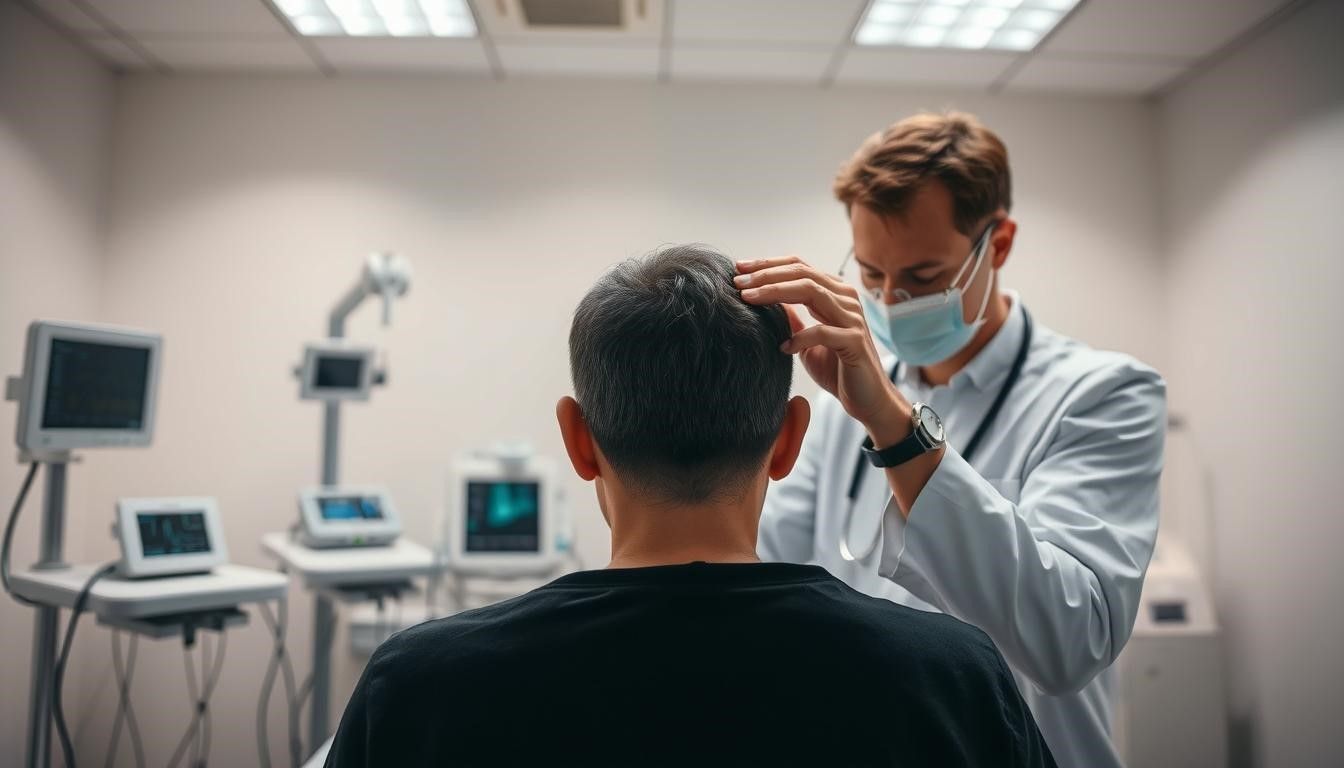
Our team prioritizes your comfort throughout each session. We make immediate adjustments if any discomfort occurs.
Managing Potential Risks During Treatment
The most serious risk involves seizures, but this occurs in about 0.1% of treatments. We carefully screen each patient's medical condition to minimize risks.
Earplugs are provided to protect hearing from the clicking sounds. There's no evidence of permanent hearing changes when proper protection is used.
Our expert team follows strict safety protocols to ensure your wellbeing. We monitor you closely during each session and adjust based on your individual symptoms and responses to improve treatment outcomes.
Expert Mental Health Support at Revitalizing Remedies
At the heart of exceptional mental health care lies a dedicated team of professionals who bring expertise and compassion to every patient interaction. Our approach combines clinical excellence with genuine human connection.
Our Dedicated, Highly Qualified Team
Revitalizing Remedies boasts a diverse team of mental health experts. Our staff includes board-certified doctors, experienced nurse practitioners, licensed counselors, and skilled technicians.
Each professional brings unique qualifications to our collaborative model. They work together as a treatment team to create personalized plans and support patients between evaluations and sessions while addressing individual needs, as reflected in our
patient testimonials highlighting personalized care.
| Team Member | Specialty Focus | Collaborative Role |
|---|---|---|
| Medical Doctors | Treatment oversight and safety | Lead clinical decision-making |
| Nurse Practitioners | Daily patient management | Coordinate care between sessions |
| Licensed Counselors | Therapeutic support | Provide emotional guidance |
| Technicians | Procedure administration | Ensure treatment precision |
Our patient-centered philosophy ensures people feel supported throughout their journey. We believe proper training is essential for delivering safe, effective care.
The team's expertise in administering transcranial magnetic stimulation helps optimize outcomes. Residents throughout Morris and Sussex County can access this cutting-edge support locally.
Our mission focuses on helping patients become who they were meant to be. Contact our caring team at
(201)-727-3241 or visit
revitalizingremedies.com to begin your wellness journey.
What to Expect: Session Details and Treatment Durations
The practical details of treatment scheduling are designed to fit comfortably into your daily routine. Most people continue with work and other activities throughout their course of treatment.
Typical Course Treatment Duration and Frequency
A standard course involves sessions every weekday over approximately six weeks. This schedule includes around thirty individual treatments to build lasting changes.
Each session typically lasts between three and forty minutes. The exact time depends on your specific protocol determined during evaluation.
Some newer approaches condense the entire course into a single week. These accelerated options provide flexibility for people with scheduling constraints.
Adjustments and Follow-Up Care
Patients can resume normal activities immediately after each session. There's no recovery time required, so you can drive yourself home.
Some people notice positive changes within the first week. Others may need more time before depression symptoms begin improving significantly.
Follow-up care varies based on individual needs. While some patients remain well for years, others benefit from repeat treatment if symptoms return.
The team at
Revitalizing Remedies monitors your progress throughout the course. They make adjustments as needed to optimize your results, continuing the commitment described when
Revitalizing Remedies opened in Hackettstown, NJ.
Conclusion
Finding the right path to wellness can feel like a journey. When standard approaches haven't brought the relief you deserve, transcranial magnetic stimulation offers a scientifically-backed alternative.
This FDA-approved method uses gentle magnetic pulses. They target specific brain areas linked to mood, encouraging positive changes in neural activity.
The process is non-invasive and well-tolerated. Most people experience minimal discomfort and can return to their day right after each session.
At
Revitalizing Remedies, our expert team is dedicated to your recovery. We provide this innovative therapy to help you manage your condition and rediscover joy.
If you're seeking a new direction for your health, we invite you to take the next step. Contact our caring team at
(201)-727-3241 or visit
revitalizingremedies.com to learn if this treatment is right for you.
Frequently Asked Questions About A New Hope for Treatment-Resistant Depression
What is transcranial magnetic stimulation, and how can it help with my condition?
Transcranial magnetic stimulation (TMS) is a noninvasive brain stimulation therapy that uses an electromagnetic coil placed against the scalp to deliver magnetic pulses. These pulses stimulate nerve cells in specific areas of the brain called the dorsolateral prefrontal cortex, which is involved in mood regulation. By activating this brain region, TMS can help reset dysfunctional neural circuits associated with treatment-resistant depression, offering relief when other treatments have not been effective.
Are there any side effects I should be aware of before starting this treatment?
TMS is generally safe and well-tolerated, with common side effects including mild scalp discomfort or brief headaches during or after a TMS session. Unlike some other treatments, TMS does not cause whole-body side effects such as weight gain or nausea. There is a very low risk of seizures (approximately 0.1%), and hearing protection is provided to minimize the risk of hearing loss from the clicking sounds produced during treatment. Most side effects tend to decrease as treatment progresses.
How long does a typical course of treatment last, and what happens during a session?
A standard course of TMS treatment typically involves daily sessions, five days a week, over a period of 4 to 6 weeks, totaling around 30 sessions. Each session usually lasts between 20 to 40 minutes, depending on the protocol used. During a session, the electromagnetic coil is positioned on the scalp over the targeted brain area, and magnetic pulses are delivered to stimulate nerve cells. Patients remain awake and can resume normal activities immediately after each session.
How does TMS differ from other treatments like electroconvulsive therapy (ECT)?
Unlike electroconvulsive therapy (ECT), which requires general anesthesia and induces seizures to treat depression, TMS is a noninvasive form of brain stimulation that does not require anesthesia or cause seizures. TMS targets specific brain regions using an electromagnetic coil, resulting in fewer cognitive side effects such as memory loss. Additionally, patients can drive themselves to and from TMS appointments and resume daily activities immediately, making it a more convenient option for many.
Is this therapy covered by insurance, who is a good candidate, and are clinical trials available for patients exploring newer options?
For broader education on emerging treatments and self-care strategies, you can also explore our Revitalizing Remedies wellness blog.
Most insurance plans, including Medicare and Medicaid, cover TMS therapy for treatment-resistant depression when patients meet specific criteria, such as having tried at least two antidepressants without sufficient improvement. Good candidates are adults with major depressive disorder who have not responded adequately to traditional treatments. Some clinics also offer clinical trials for newer TMS protocols or for conditions beyond depression, providing additional options for patients interested in innovative brain stimulation therapies.
Blood Work in Hackettstown, NJ: Diagnostic Testing for Better Mental Health at Revitalizing Remedies