TMS Therapy in NJ: Deep Transcranial Magnetic Stimulation Treatment at Revitalizing Remedies
Transform Your Mental Health with Advanced TMS in NJ
Are you searching for TMS therapy in NJ? At Revitalizing Remedies, we specialize in providing advanced, non-invasive depression treatment for individuals in New Jersey seeking alternatives to traditional therapies. Our clinic is dedicated to helping those who have not found relief with medications or other conventional approaches. This page covers everything you need to know about TMS therapy, including how it works, who it helps, its effectiveness, side effects, and how to get started at our NJ treatment center. Whether you are exploring options for yourself or a loved one, understanding TMS therapy can be the first step toward lasting mental wellness.
Patients at Revitalizing Remedies have access to advanced diagnostics and specialized assessments, ensuring comprehensive evaluation and innovative testing for mental health conditions.
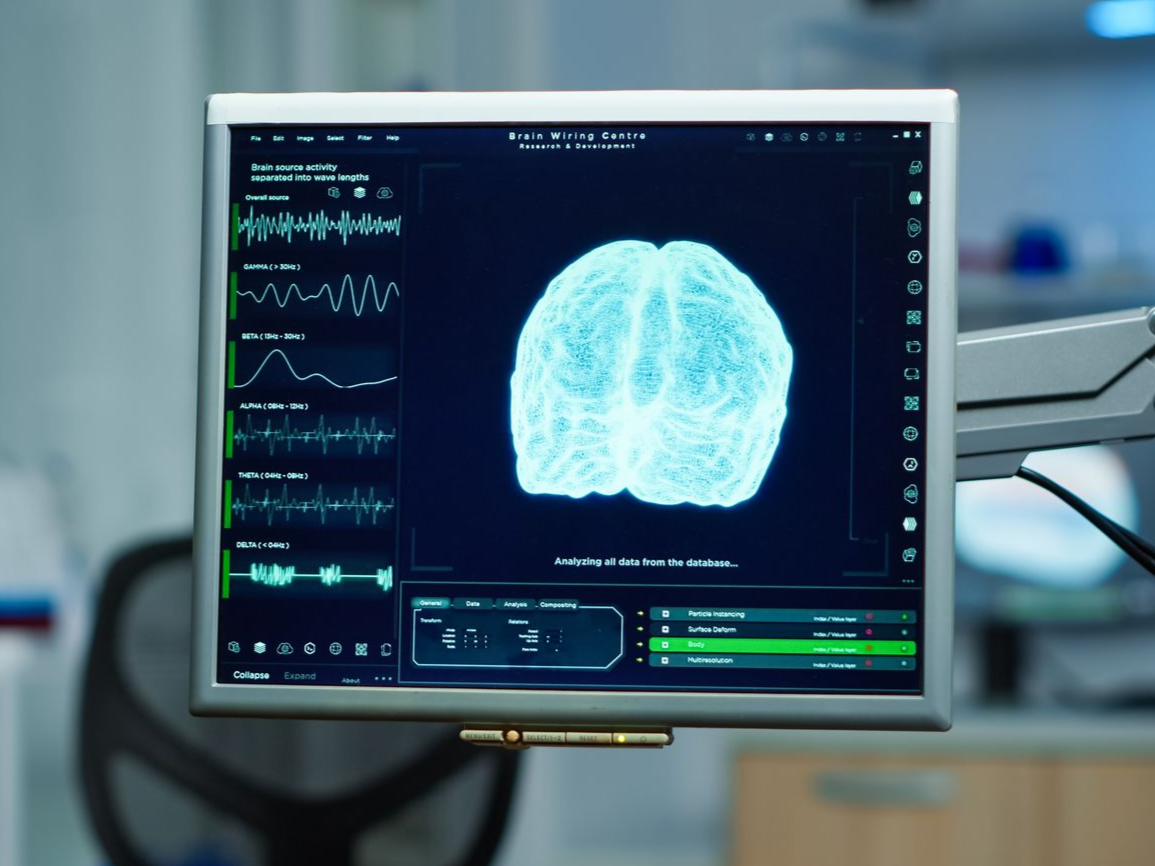
TMS is a non-invasive procedure that uses magnetic fields to stimulate specific areas of the brain, offering a safe and effective option for those seeking alternatives to traditional treatments.
What Is TMS?
What Is TMS?
Transcranial Magnetic Stimulation (TMS) is a non-invasive procedure that uses magnetic pulses to stimulate underactive nerve cells in the brain. This FDA-approved treatment is primarily used for depression and other mental health conditions.
How TMS Works
TMS works by delivering highly focused magnetic pulses using a magnetic field to stimulate nerve cells in certain areas of the brain, such as the prefrontal cortex, which is involved in mood regulation. These targeted areas are often underactive in depressed patients. By stimulating these regions, TMS restores balance to brain activity and alleviates depression symptoms.
Session Experience
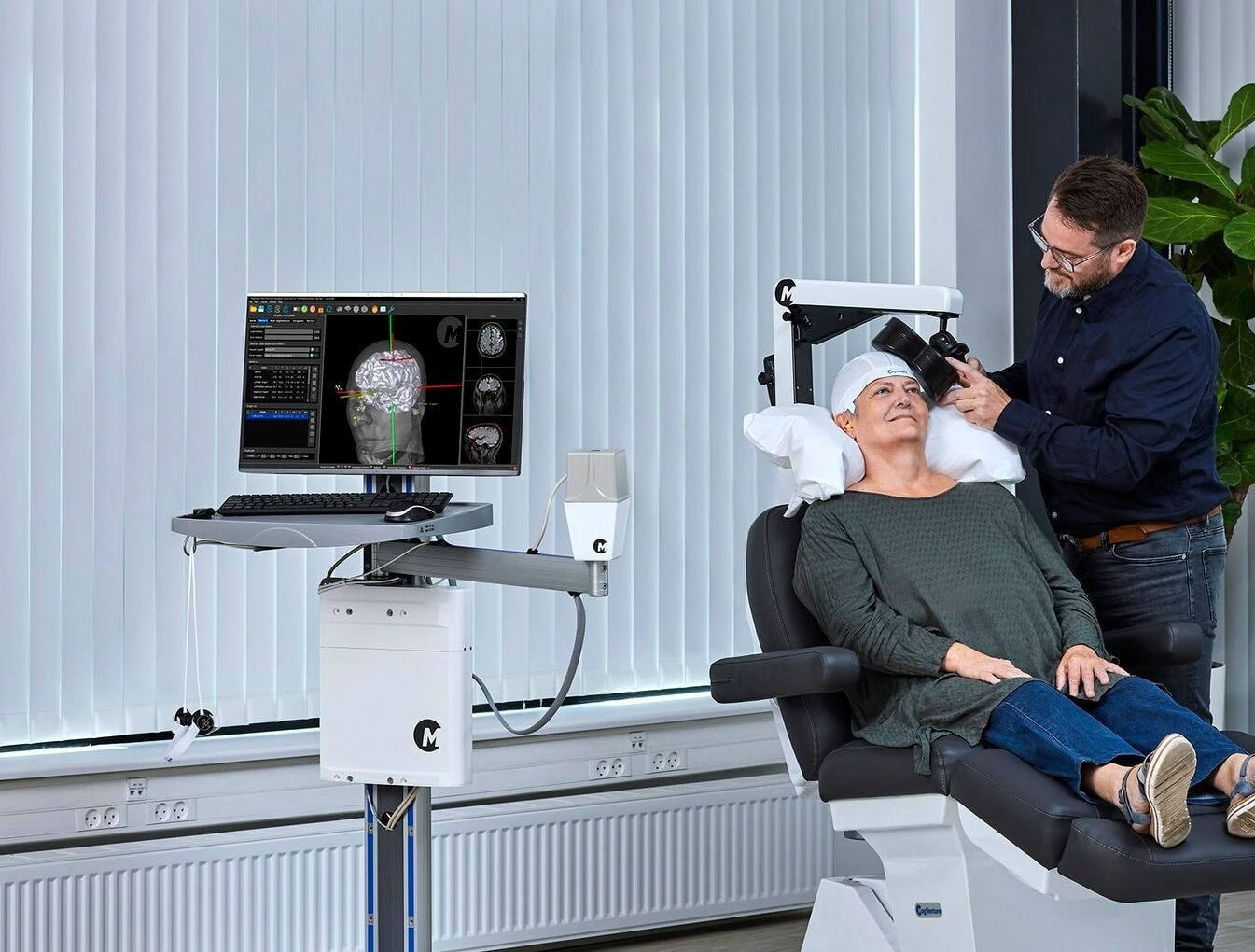
During a typical TMS session, a small electromagnetic coil is placed near your head to send magnetic pulses to targeted areas of your brain. Patients may hear clicking sounds from the device and feel gentle tapping sensations. Unlike electroconvulsive therapy (ECT), TMS does not require anesthesia or sedation and is not associated with the systemic side effects that come with medication. Patients remain awake and comfortable during the short treatment sessions, which typically last less than 20 minutes, and can return to their normal activities, such as work or even watch TV, immediately afterward.
Treatment Duration
A typical course of TMS lasts four to six weeks.
TMS is also effective for anxiety, and a thorough diagnosis is important to determine eligibility for TMS.
Who Is a Good Candidate for TMS?
Ideal Candidates for TMS
Transcranial Magnetic Stimulation (TMS) therapy is especially suited for adults struggling with Major Depressive Disorder (MDD) or Obsessive Compulsive Disorder (OCD) who have not experienced sufficient relief from antidepressant medications or have encountered unwanted side effects from these drugs.
- TMS therapy is a proven, non-invasive option for patients with treatment-resistant depression, offering hope when other treatments have not worked.
- Individuals living with chronic pain or those who have not found relief through traditional therapies may also benefit from transcranial magnetic stimulation TMS.
The best way to determine if you are a good candidate for TMS is through a comprehensive consultation with a qualified TMS provider. During this evaluation, your medical history, current symptoms, and previous treatment experiences will be carefully reviewed to ensure that TMS therapy is the right fit for your needs.
If you or a loved one is seeking an alternative approach to managing depression or OCD, TMS may be the solution you’ve been searching for.
Ready to learn about our unique approach to TMS? Read on to discover how Revitalizing Remedies delivers advanced care.
Our Approach to Deep Transcranial Magnetic Stimulation
At Revitalizing Remedies, we take pride in being the leading provider of FDA-approved TMS (Transcranial Magnetic Stimulation) treatment in Morris and Sussex Counties. We are dedicated to making advanced mental health care accessible, providing expert tms in NJ, including our convenient location for those seeking tms in hackettstown nj.
Our diverse team of mental health professionals—doctors, nurse practitioners, counselors, and technicians—works together to deliver innovative, evidence-based therapies tailored to each patient's unique needs.
While we offer traditional medicine and counseling, our state-of-the-art TMS treatment stands out as one of the few in Sussex County that utilizes MRI-strength pulses to reignite dormant brain activity. This advanced approach is often referred to as deep transcranial magnetic stimulation technology, offering a highly effective way to target critical neural pathways.
Every day, we are dedicated to helping our patients journey towards becoming the individuals they were always meant to be.
Personalized Treatment Plans
At Revitalizing Remedies, every patient receives a personalized treatment plan designed to address their unique mental health needs. Our multidisciplinary team—including psychiatrists, psychologists, and TMS specialists—collaborates to develop a comprehensive approach that may combine TMS sessions, medication management, and psychotherapy. This individualized treatment plan is tailored to your specific symptoms, medical history, and personal goals, ensuring that you receive the most effective care possible. Regular assessments allow our team to monitor your progress and make adjustments as needed, so your treatment remains responsive and effective. Our commitment to personalized care means that we focus not just on alleviating depression symptoms, but on restoring balance to your brain’s activity and supporting your overall mental health and well-being.
Effectiveness of TMS
Clinical Results
TMS therapy has emerged as a highly effective treatment for major depressive disorder and other challenging conditions. Clinical trials have demonstrated that:
- More than 80% of patients with depression experience significant improvement in their symptoms
- Over 60% achieve full remission
Additional Conditions Treated
- TMS therapy is also FDA-cleared for the treatment of obsessive compulsive disorder (OCD)
- Showing promise in the management of chronic pain and seasonal affective disorder
Who Benefits Most
Many patients who have not responded to other treatments, including medication and psychotherapy, have found relief through this non-invasive therapy
Why Choose TMS?
- Minimal side effects
- Proven results
- Attractive option for those seeking a new path to better mental health
As research continues, the range of conditions that can benefit from TMS therapy is expected to grow, offering hope to even more patients.
Side Effects of TMS
Safety Profile
One of the key advantages of TMS therapy is its excellent safety profile. Most patients tolerate TMS sessions very well, with only mild and temporary side effects.
Common Side Effects
- Scalp sensitivity
- Slight headache during or after treatment
These effects typically resolve quickly on their own.
Comparison to Other Treatments
- Unlike electroconvulsive therapy (ECT) or shock therapy, TMS does not require general anesthesia and does not cause confusion or memory loss
- Because TMS is a non-invasive treatment, it avoids the systemic side effects often associated with prescription medications
This makes TMS an appealing option for patients who have struggled with medication side effects or are seeking a safer alternative to more invasive procedures, as reflected in our patient testimonials about TMS therapy.
Chronic Pain and TMS
TMS therapy is not only a breakthrough for depression and OCD, but it is also showing significant promise in the management of chronic pain. For patients suffering from persistent pain who have not found relief with traditional therapies, TMS offers a non-invasive treatment that targets areas of the brain linked to pain regulation.
By modulating brain activity in these targeted regions, TMS can help reduce pain symptoms and improve quality of life, especially when combined with innovative ketamine therapy for chronic pain. This proven approach is expanding the possibilities for patients who have exhausted other options, providing new hope and a path toward healing.
If chronic pain has impacted your daily life, TMS therapy at Revitalizing Remedies may be the innovative solution you need to regain comfort and function.
Frequently Asked Questions About TMS in NJ
What conditions can Transcranial Magnetic Stimulation (TMS) treat?
TMS is most commonly FDA-approved for treating major depressive disorder (MDD) when antidepressant medications have not provided adequate relief. It is also FDA-cleared for treating Obsessive-Compulsive Disorder (OCD) and reducing pain associated with migraine headaches.
Is TMS a safe and FDA-approved procedure?
Yes, TMS is a safe, non-systemic, and non-invasive treatment that has been cleared by the U.S. Food and Drug Administration (FDA) for the treatment of depression since 2008.
For many patients, understanding safety also involves learning about other innovative treatments and wellness insights that complement TMS.
Is Transcranial Magnetic Stimulation (TMS) a painful procedure?
Most patients tolerate TMS very well. While you may feel a tapping or clicking sensation on your scalp during the pulses, it is not painful. Any minor discomfort typically fades after the first week of treatment.
How long does a typical TMS session last?
Depending on the specific protocol used, a TMS session usually lasts between 3 and 20 minutes. At Revitalizing Remedies, we will discuss your customized treatment plan during your initial consultation.
How many TMS treatments will I need to see results?
A full course of TMS typically involves daily sessions, five days a week, for four to six weeks. The total number of sessions is determined by your physician based on your specific needs and response to treatment.
Are there any common side effects of TMS therapy?
The most common side effects are mild to moderate scalp discomfort or headache at the treatment site, which usually resolves within the first week. Unlike medication, TMS does not cause systemic side effects like weight gain, fatigue, or sexual dysfunction.
Is Deep Transcranial Magnetic Stimulation different from standard TMS?
Deep TMS is an advanced form of TMS that uses a unique coil design to stimulate broader and deeper brain regions than traditional surface coils. While both are effective, our use of powerful, MRI-strength pulses allows for a comprehensive, highly targeted approach to treatment.
Will my health insurance cover the cost of TMS treatment?
Many major insurance providers, including Medicare, now cover TMS therapy for treatment-resistant depression. Our team at Revitalizing Remedies will assist you in verifying your benefits and navigating the insurance approval process.
Ready to Take the Next Step?
If you are seeking proven, non-medication solutions for depression or OCD, the compassionate team at Revitalizing Remedies is here to help. We make accessing deep transcranial magnetic stimulation simple and stress-free.
Contact us today to schedule your initial consultation and verify your insurance coverage.