Ketamine Therapy: A Transformative Treatment in Warren County and Hackettstown, NJ
Are you seeking rapid relief from depression, anxiety, or PTSD when traditional treatments have failed? This comprehensive guide is for individuals in Warren County, Hackettstown, and surrounding areas looking for fast-acting solutions to persistent mental health challenges. Here, you'll discover what ketamine therapy is, how it works, who it helps, important safety considerations, and exactly what to expect at Revitalizing Remedies, your local mental health treatment center.
Revitalizing Remedies, located in Hackettstown, NJ, offers ketamine therapy as part of comprehensive mental health treatment, a breakthrough approach designed to provide rapid relief for those struggling with severe depression, anxiety, PTSD, and other mood disorders. Our clinic specializes in innovative, evidence-based approaches that deliver noticeable improvements—often within hours—when conventional antidepressants and therapies have not worked.
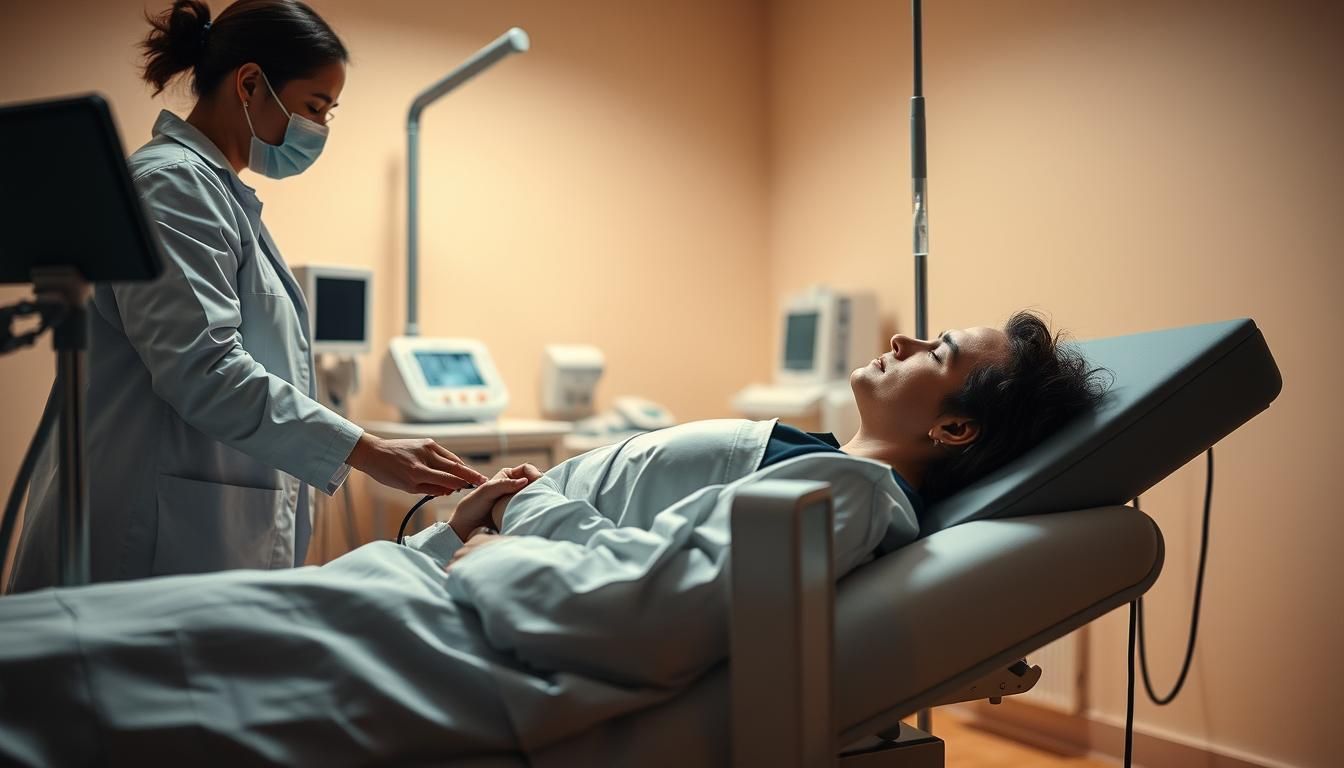
Unlike conventional antidepressants that may take weeks to show results, ketamine therapy can offer significant symptom reduction after just a few carefully monitored sessions. Patients from Warren County, Hackettstown, and nearby communities dealing with treatment-resistant depression, anxiety, or PTSD often report rapid and meaningful improvements.
Our team combines FDA-approved protocols with personalized psychotherapy for lasting results. Each treatment plan is tailored to individual needs under expert supervision. Change doesn't have to wait—call (210) 727-3241 today to discuss your options.
Key Takeaways
- Ketamine therapy offers fast-acting relief for stubborn mental health conditions, including depression, anxiety, and PTSD, for residents of Warren County and Hackettstown, NJ.
- Combines medical treatment with therapeutic support, such as ketamine-assisted psychotherapy (KAP).
- Administered by experienced professionals using approved protocols and thorough screening.
- Shows promise where other treatments have failed, especially for treatment-resistant cases.
- Personalized care plans for each patient's unique needs, with a focus on safety and long-term improvement.
What Is Ketamine Therapy?
History and Medical Use
Modern psychiatry has uncovered a powerful tool for mental wellness. Originally developed as an anesthetic, ketamine is now used to help individuals with mental health conditions find relief when other treatments fail. Its unique mechanism offers a fresh path to healing.
How Ketamine Is Administered
Ketamine can be administered through several methods, including intravenous (IV) infusion, nasal spray (such as FDA-approved SPRAVATO® (esketamine) treatment for depression for treatment-resistant depression), and off-label oral formulations. IV infusion is the most common method in clinical settings. While SPRAVATO® (esketamine) nasal spray is FDA-approved for treatment-resistant depression, most psychiatric uses of ketamine are considered off-label. Ketamine-assisted psychotherapy (KAP) combines ketamine doses with talk therapy to enhance treatment effectiveness.
When Is Ketamine Therapy Considered?
Ketamine therapy is a fast-acting treatment for severe mood and anxiety disorders, including treatment-resistant depression and PTSD. It is generally considered when other, more traditional treatments have failed, and is not typically a first-line option. Patients must undergo psychiatric and cardiovascular screening prior to starting ketamine therapy to ensure safety. Ketamine therapy is not suitable for individuals with active psychosis, schizophrenia, or uncontrolled cardiovascular problems.
Common Side Effects and Safety
Common side effects of ketamine therapy include dissociation (a dreamlike or detached state), sedation, dizziness, headache, blurred vision, anxiety, nausea, vomiting, and cardiovascular changes such as elevated blood pressure. Most side effects are temporary and resolve shortly after treatment. Long-term safety is still being studied, and ongoing research is investigating potential long-term effects that are not yet fully known. Ketamine therapy is considered safe when administered under medical supervision, with healthcare providers checking for any health conditions that might make the treatment unsafe.
Now that you have an overview of what ketamine therapy is and how it is administered, let's explore how this innovative treatment works in the brain.
How Ketamine Therapy Works
Targeting the NMDA Receptor and Glutamate System
Patients often wonder how relief can come so fast—here's the biological explanation. Ketamine targets the brain's glutamate system, which is different from classic antidepressants that adjust serotonin or norepinephrine levels. Specifically, ketamine blocks the NMDA (N-methyl-D-aspartate) receptor, a gateway for the neurotransmitter glutamate. By temporarily blocking this receptor, ketamine triggers a cascade of positive changes in the brain, helping to rebuild neural connections damaged by chronic stress and depression.
During a typical 40-minute IV infusion session, the medication reaches peak effects. Though active for less than an hour, the benefits continue to grow after the session—much like jumpstarting a car battery, where the engine keeps running long after the initial spark.
Rapid-Acting Effects on Mood
Most patients notice shifts in their mood within 24–48 hours. Clinical studies show that up to 70% of patients respond positively, even after other treatments have failed. The biological pathway works like this:
- Glutamate regulation reduces negative thought patterns.
- Neuroplasticity allows new, healthier connections to form.
- Symptom relief continues through the "afterglow" period.
A typical session lasts about 40 minutes, with monitoring afterward. Many describe feeling lighter, with an improved outlook that can last for weeks. This makes ketamine therapy ideal for breaking cycles of persistent symptoms.
Ketamine-Assisted Psychotherapy (KAP)
Ketamine-assisted psychotherapy (KAP) combines ketamine doses with talk therapy to enhance treatment effectiveness. This approach leverages the rapid-acting effects of ketamine to facilitate deeper therapeutic breakthroughs during psychotherapy sessions.
Now that you understand how ketamine therapy works, let's explore which conditions it can help treat.
Conditions Treated with Ketamine Therapy
When standard treatments don't bring relief, alternative options can make a life-changing difference. At our psychiatrist-led mental health clinic in Hackettstown, ketamine therapy shines for mental health disorders and chronic pain conditions that resist conventional care. From severe depression to nerve-related discomfort, it offers a new path forward.
Treatment-Resistant Depression
Treatment-resistant depression affects millions who've tried multiple antidepressants without success. Defined as failing two or more medications, it leaves many feeling hopeless. Yet studies show promise—Ohio State research reports 54% remission rates for major depressive disorder (MDD), and dedicated depression therapy in NJ can further support long-term recovery.
The FDA has also approved this method for acute suicidal ideation, with Northwestern studies noting a 50% reduction in symptoms. Related treatments, such as the science of Spravato and esketamine for depression, offer additional options for those with severe, persistent symptoms. It's not just about surviving—it's about reclaiming joy.
Anxiety, PTSD, and Chronic Pain
Beyond depression, this treatment helps those with anxiety disorders, PTSD, and chronic pain like fibromyalgia. Patients often see:
- Fewer flashbacks and hypervigilance (PTSD)
- Calmer thought patterns (anxiety)
- Reduced neuropathic pain signals
However, it's not for everyone. Uncontrolled hypertension or active psychosis may disqualify candidates. Always consult a specialist to assess eligibility.
With a clear understanding of the conditions ketamine therapy can address, let's look at what the treatment process involves at Revitalizing Remedies in Hackettstown.
The Ketamine Therapy Process at Revitalizing Remedies
Our clinic in Hackettstown, NJ, follows a proven three-phase system designed for safety and results. From initial screening to long-term maintenance, we prioritize your comfort and progress every step of the way. You're not just getting treatment—you're gaining a partner in healing, with ongoing education and wellness tips shared through our Revitalizing Remedies wellness insights blog.
Initial Consultation and Eligibility
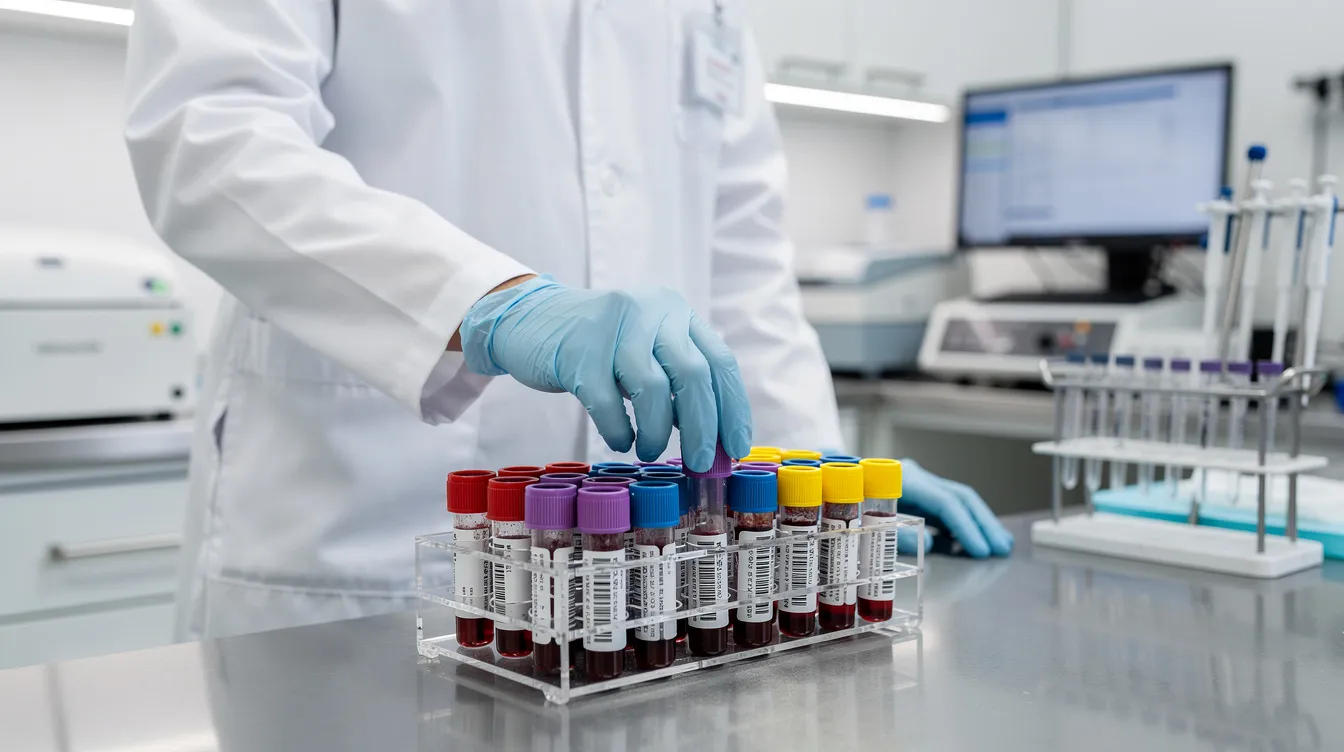
Your journey begins with a comprehensive health evaluation. Our team reviews your medical history and performs mandatory drug and pregnancy tests. This ensures the treatment aligns with your needs.
Key requirements include:
- 8-hour fasting before sessions
- No driving for 24 hours post-treatment
- Current medication review for potential interactions
What to Expect During Sessions
Our clinic features private rooms with comfortable recliners and continuous vital monitoring. Each IV infusion lasts about 40 minutes, with anti-nausea protocols in place for your comfort, and many patients share positive experiences in our Revitalizing Remedies patient testimonials.
The standard protocol includes:
- Screening phase (1 week): Assessments and treatment planning
- Induction phase (2 weeks): 6 sessions for foundational results
- Maintenance phase: Monthly boosters as needed
Post-Treatment Care
Your care continues after each session with our integration therapy program. We provide a detailed checklist to enhance lasting benefits:
- Hydration and light meals
- Journaling to track progress
- Scheduled follow-up calls with your care team
Revitalizing Remedies combines medical precision with compassionate support. Our structured approach helps you achieve meaningful, lasting change.
Now that you know what to expect from the process, let's examine the benefits of ketamine therapy.
Benefits of Ketamine Therapy
Fast Symptom Relief
Waiting weeks for medication to work can feel endless. Ketamine therapy changes that—80% of patients report noticeable effects within 24 hours. Compare that to SSRIs, where only 30% see improvement after six weeks.
Key advantages include:
- Mood shifts in as little as 4 hours
- Reduced suicidal thoughts within one day (per Ohio State studies)
- Fewer emergency hospitalizations for chronic cases
Long-Term Mental Health Improvements
The benefits extend far beyond quick results. fMRI scans show increased neurogenesis—the brain's ability to form new connections. This explains why many experience sustained progress for years with maintenance sessions.
Consider these findings:
- 54% remission rates at 6-month follow-ups
- 40% lower costs than multi-year psychotherapy
- Improved daily functionality reported in 72% of cases
"For the first time in decades, I woke up wanting to face the day."—Clinical trial participant
This isn't just about temporary relief. It's about rebuilding lives with evidence-based research and measurable outcomes.
With these benefits in mind, it's important to also understand the potential risks and side effects of ketamine therapy.
Risks and Side Effects
Common Short-Term Effects
Understanding potential risks ensures informed treatment decisions. Most side effects are mild and temporary, but transparency helps patients prepare. Our clinic prioritizes safety with rigorous protocols and real-time monitoring.

During infusion sessions, some patients experience temporary sensations. These typically fade within hours:
- Dizziness (65%): Often resolves with rest and hydration.
- Nausea (40%): Prevented with antiemetics before use.
- Elevated blood pressure (25%): Monitored closely during sessions.
- Dissociation: A dreamlike or detached state, usually brief.
- Sedation: Feeling sleepy or slowed down.
About 10% report brief dissociation, a dreamlike state that subsides quickly. These effects are normal and closely managed by our team.
Managing Rare Complications
Serious issues are uncommon with clinical doses. Myths about bladder damage stem from recreational drug misuse—our medically supervised use poses negligible risk.
We enforce safeguards:
- Strict infusion limits (max 3x/week).
- Emergency protocols for allergic reactions (epinephrine on-site).
- Medication reviews to avoid efficacy reductions (e.g., Lamictal).
"The staff made me feel safe and understood throughout my entire journey." — patient
While most side effects are short-lived, long-term safety concerns are still being studied. Researchers continue to investigate potential long-term effects that are not yet fully known.
Now that you know the risks and benefits, let's discuss why Revitalizing Remedies is the right choice for your ketamine therapy journey in Warren County and Hackettstown.
Why Choose Revitalizing Remedies for Ketamine Therapy?
Finding the right clinic makes all the difference in your healing journey. At Revitalizing Remedies in Hackettstown, NJ, we combine medical expertise with compassionate care for transformative results. Every detail—from our board-certified staff to our CMS-compliant facility—is designed with your health in mind.
Expert Supervision You Can Trust
Our team brings 15+ years of specialized experience in psychedelic-assisted treatment and aesthetic services such as expert BOTOX treatments in Hackettstown. Each session is overseen by:
- Board-certified anesthesiologists
- ACLS-certified nurses monitoring real-time ECG
- Staff trained in emergency protocols (crash carts on-site)
We customize dosing using advanced algorithms that consider your BMI and metabolism. This isn't one-size-fits-all care—it's precision medicine tailored to you.
Your Safety Comes First
Our patients receive care in private suites with continuous vital monitoring. Strict HIPAA compliance ensures complete confidentiality of your records. For those seeking broader wellness support, we also offer micronutrient IV therapy at Revitalizing Remedies. Additional safeguards include:
- Mandatory health screenings before each session
- Anti-nausea protocols for comfort
- Post-treatment recovery monitoring
"The staff made me feel safe and understood throughout my entire journey." —Verified patient
Ready to experience this level of care? Call (210) 727-3241 today to schedule a consultation or tour our facility in Hackettstown. Let us show you how proper supervision and clinical excellence can change everything.
With the right team and environment, you can feel confident taking the next step toward healing.
Conclusion
Breakthrough relief doesn't have to wait—start your journey today. Ketamine therapy offers rapid results, proven efficacy, and strict safety protocols. For those tired of waiting weeks for treatment effects, this could be the turning point.
At Revitalizing Remedies in Hackettstown, NJ, we combine cutting-edge treatment with compassionate care. Our evidence-based approach ensures you receive the best possible support. Don't spend another month struggling when help is available now.
Call (210) 727-3241 for same-week consultations. Our team will provide all the information you need to take the next step. Change begins with one contact—make yours today.
Frequently Asked Questions About Ketamine Therapy
What conditions can ketamine therapy help with?
Ketamine therapy is primarily used to treat, often alongside other innovative options like TMS and Spravato mental health care in nearby Newton, NJ:
- Treatment-resistant depression, including major depressive disorder and depressive symptoms accompanied by suicidal thinking
- Post traumatic stress disorder (PTSD)
- Anxiety disorders
- Certain chronic pain conditions Some medical professionals also use ketamine treatment off label for other mental health conditions like substance use disorder.
How quickly does ketamine work compared to antidepressants?
Ketamine infusion therapy provides rapid relief, often within hours or up to 40 minutes after administration, compared to traditional antidepressants that may take several weeks to show effects. This rapid onset makes ketamine an important option for patients suffering from severe symptoms, including suicidal thinking.
Is ketamine therapy safe?
When administered by trained health care professionals in a controlled medical setting, ketamine therapy is generally safe. Medical staff monitor vital signs during intravenous ketamine infusions to manage any side effects such as sedation, dizziness, or elevated blood pressure. Long term effects are still being studied, but current protocols emphasize patient safety and careful screening by mental health providers and medical professionals.
How long do the effects last after a session?
The effects of ketamine therapy can vary but typically last from several days to weeks. Many patients experience an initial rapid improvement in symptoms of depression and anxiety, with maintenance treatments recommended to sustain benefits over the long term.
Will I need ongoing treatments?
Most patients undergoing ketamine therapy start with a series of infusions or nasal spray sessions, followed by maintenance treatments based on individual response. Ongoing treatments help to prolong symptom relief and manage chronic psychiatric disorders effectively.
Can I combine ketamine with other medications?
Ketamine therapy can often be combined with other therapies, including traditional antidepressants and psychotherapy. However, it is essential to inform your mental health provider and primary care physician about all medications you are taking to avoid potential interactions and ensure safe ketamine treatment.
What happens during a session at Revitalizing Remedies?
During a typical ketamine infusion session at Revitalizing Remedies in Hackettstown, patients receive intravenous ketamine under close supervision by medical professionals who monitor vital signs throughout the 40-minute treatment. The clinic provides a comfortable environment with anti-nausea protocols and post-treatment observation to ensure patient safety and comfort.
Who isn't a good candidate for this treatment?
Patients with uncontrolled hypertension, certain heart conditions, active psychosis, or other medical conditions may not be suitable candidates for ketamine therapy. A thorough medical evaluation by health care professionals and mental health providers helps determine eligibility to ensure the treatment is safe and effective for each individual.
Blood Work in Hackettstown, NJ: Diagnostic Testing for Better Mental Health at Revitalizing Remedies