Natural Remedies for Stress and Anxiety
Are you seeking natural ways to manage stress and anxiety? This article is designed for individuals looking for evidence-based, holistic approaches to support mental wellness, including anxiety natural remedies. We’ll cover a range of natural remedies—including nutritional support, adaptogenic herbs, herbal teas, aromatherapy, mindfulness, meditation, physical activity, and spending time outdoors. Understanding and addressing stress is crucial, as chronic stress can negatively impact sleep, mood, immunity, and overall quality of life. Natural remedies offer gentle, accessible strategies to help restore balance and promote resilience, making them an important part of a comprehensive mental health plan. In this article, we’ll explore a few ways you can incorporate these approaches into your daily routine.
Introduction to Mental Health
Mental health is a cornerstone of overall well-being, influencing how we think, feel, and interact with the world around us. In today’s fast-paced society, it’s easy to overlook the impact that chronic stress and anxiety symptoms can have on both our mental and physical health. Persistent stress can lead to a range of mental health issues, from trouble sleeping to difficulty concentrating, and may even contribute to physical health problems like high blood pressure or weakened immunity. These challenges are part of a broader spectrum of mental health conditions, including stress, anxiety, and depression therapy needs, which can significantly affect an individual’s ability to function and quality of life.
Fortunately, there are many natural remedies available to help reduce anxiety symptoms and promote relaxation. Stress can negatively impact mood, and when feeling depressed, healthy snacks can provide sustenance and help improve mood. In this article, we’ll explore:
- Nutritional support (including supplements and IV nutrient therapy)
- Adaptogens and herbal supplements
- Herbal teas for relaxation
- Aromatherapy and essential oils
- Mindfulness and meditation
- Physical activity and spending time outdoors
- Lifestyle interventions for stress management
By prioritizing mental health and incorporating these natural approaches, you can take meaningful steps toward reducing anxiety, improving your overall well-being, and finding relief from daily stress.
Understanding Stress and Anxiety
Stress and anxiety are among the most common mental health issues faced by people today, affecting millions worldwide. Chronic stress can trigger a range of anxiety symptoms, from persistent worry and irritability to trouble sleeping and physical health concerns like headaches or digestive problems. Over time, unmanaged stress and anxiety can take a toll on both mental and physical health, increasing the risk of more serious health issues.
Understanding the causes and effects of stress and anxiety is the first step toward effective management. Factors such as work pressures, family responsibilities, and major life changes can all contribute to chronic stress. Recognizing your unique symptoms and triggers can help you find the right strategies to reduce anxiety symptoms and promote relaxation.
Natural remedies—including herbal supplements and essential oils—can play a supportive role in managing stress and anxiety. However, it’s important to consult a mental health professional before starting any new remedy, especially if you are taking other medications or have existing health conditions. With the right support and a personalized approach, such as comprehensive mental health treatment options in Hackettstown, NJ, you can take meaningful steps to reduce anxiety and improve your overall well-being.
Customized Nutritional Support
How Nutritional Support Reduces Stress
Our clinicians offer personalized nutritional counseling, IV nutrient therapy, and supplement protocols to address underlying imbalances that may contribute to stress and anxiety.
- Natural supplements like ashwagandha, magnesium, and Omega-3 fatty acids support nervous system health.
- B vitamins play a crucial role in stress management by supporting the nervous system and promoting resilience to stress.
- Certain foods or supplements can help boost energy, but it's important to limit excessive caffeine intake, as caffeine is a stimulant that can contribute to increased anxiety.
- A diet rich in whole foods helps support adrenal function and maintain anxiety levels.
- Foods high in carbohydrates (such as oatmeal or whole grains) are linked to increased serotonin in the brain, which can help improve mood.
IV nutrient therapy delivers vitamins and minerals directly into the bloodstream for optimal absorption, supporting overall wellness and stress resilience.
In addition to nutrition, herbal remedies can also play a role in stress management.
Adaptogens and Herbal Remedies
What Are Adaptogens?
Adaptogens are natural substances which can help the body adapt to stress and maintain balance. For example:
- Rhodiola rosea is an adaptogen used to manage physical symptoms of daily stress and has been shown to alleviate symptoms of burnout and improve recovery from stress-induced physical fatigue.
- Ashwagandha has a long history of use for stress and sleep disturbances and lowers circulating glucocorticoids cortisol and corticosterone, ameliorating stress symptoms.
- Passionflower has been studied for its effects on mental stress and related disorders such as anxiety. Notably, research has explored its potential benefits in generalized anxiety disorder, a condition characterized by excessive, chronic worry and fear that can significantly interfere with daily life.
Herbal Supplements for Stress Relief
Herbal supplements may help alleviate anxiety symptoms, but scientific evidence supporting their claims is limited. It is vital to work with a doctor knowledgeable about herbal supplements and their potential interactions with other drugs. For more information on the safety and effectiveness of herbal supplements, the National Center for Complementary and Integrative Health provides comprehensive resources for both practitioners and the public.
Popular Adaptogens for Stress Relief:
- Ashwagandha: Supports stress reduction and sleep.
- Rhodiola rosea: Helps manage physical symptoms of stress.
- Holy basil: Traditionally used for emotional balance.
- Reishi mushroom: May help regulate the body’s stress response.
Other Herbal Remedies:
- Chamomile: Can alter cortisol levels and is often consumed as tea to help with anxiety.
- Lavender: Well-known for use in insomnia, stress, and anxiety.
Herbal remedies can be a gentle addition to your stress management toolkit. Next, let’s look at how lifestyle changes can further support your mental wellness.
Essential Oils for Stress Relief
Essential oils have long been valued for their ability to promote relaxation and ease stress symptoms. Popular choices like lavender oil and lemon balm are known for their calming, sedative effects, which can help lower stress levels and support emotional balance. These oils can be enjoyed through aromatherapy—such as diffusing them in your home—or by adding a few drops to a carrier oil for topical application.
Research suggests that essential oils may help reduce stress and anxiety symptoms, making them a useful complement to conventional treatments for anxiety disorders. For example, inhaling lavender oil has been shown to promote relaxation and improve sleep quality in some studies. However, it’s important to use high-quality essential oils and follow recommended guidelines to avoid adverse effects, especially if you have allergies or sensitive skin.
While essential oils can be a gentle addition to your stress management routine, more research is needed to fully understand their benefits and best uses. Always consult with a healthcare provider before incorporating new essential oils into your wellness plan, particularly if you are using other medications or managing chronic health conditions.
Lifestyle Interventions
Lifestyle Changes for Stress Management
Lifestyle interventions are essential for managing stress and anxiety naturally. These include:
- Mindfulness and meditation: Meditation can promote relaxation and is beneficial for stress management. It helps slow racing thoughts and manage stress and anxiety.
- Physical activity: Exercise triggers the release of endorphins, which are natural feel-good hormones. Even moderately intense activity can produce an endorphin rush that boosts mood and reduces anxiety symptoms.
- Spending time outdoors: Being in nature lowers stress levels and can greatly benefit mental health, linking nature to cognitive improvements and emotional wellness.
- Sleep hygiene: Establishing a consistent sleep routine of 7-9 hours is vital for recharging the brain and body.
- Aromatherapy: Involves the use of essential oils to improve health and overall well-being. Smelling soothing plant essential oils, such as lavender, can help to ease stress and anxiety.
By integrating these lifestyle changes, you can build resilience and support your mental health. Let’s explore some of these remedies in more detail.
Deep Breathing Exercises
Deep breathing exercises can be a powerful yet simple way to ease stress and anxiety symptoms. When you focus on slow, intentional breaths, you signal your body to relax, helping to calm both your mind and nervous system. Deep breathing can lower cortisol levels—the body’s primary stress hormone—while also reducing heart rate and blood pressure.
How to Practice Deep Breathing:
- Find a comfortable, quiet spot.
- Inhale slowly through your nose, allowing your lungs to fill completely.
- Hold your breath for a few seconds.
- Exhale gently through your mouth.
- Repeat several times, focusing on the sensation of your breath.
With regular practice, deep breathing can become a reliable tool to reduce stress and support your mental health.
Transitioning from breathwork, let’s look at how herbal teas can further promote relaxation.
Grounding Techniques for Anxiety
Grounding techniques are practical, natural remedies that can help you manage stress and anxiety symptoms in the moment. These methods work by bringing your attention back to the present, helping to interrupt cycles of anxious thoughts and reduce feelings of overwhelm.
Simple grounding techniques include deep breathing exercises, progressive muscle relaxation, and mindfulness meditation. For example, focusing on your breath or gently tensing and relaxing different muscle groups can help calm your mind and body. These practices not only reduce anxiety symptoms but also support overall mental health and well-being.
Regularly practicing grounding techniques can make it easier to manage stress and anxiety as they arise. You can also combine these methods with other natural remedies, such as herbal supplements or essential oils, to enhance their calming effects. By making grounding a part of your daily routine, you can build resilience and find relief from anxiety symptoms.
Herbal Teas for Relaxation
Sipping a warm cup of herbal tea can be a soothing ritual that helps melt away stress and anxiety. Certain herbal teas are known for their gentle sedative effects and ability to promote relaxation.
Popular Herbal Teas for Stress Relief:
- Chamomile: Alters cortisol levels and is often used to ease tension and support restful sleep.
- Lemon balm: Shown to help reduce feelings of nervousness and support a calm mood.
- Passionflower: Studied for its effects on mental stress and anxiety.
Some herbal teas, such as chamomile and lavender, have been shown to influence stress markers like salivary cortisol.
Evidence suggests that these teas may help lower stress levels and improve sleep quality. To incorporate herbal teas into your self-care routine, try brewing a cup in the evening or during moments of daily stress.
After enjoying a calming tea, prioritizing quality sleep is another key step in managing stress.
Importance of Nature in Stress Reduction
Spending time in nature is a powerful way to support mental health and reduce stress symptoms. Whether it’s a walk in the park, gardening, or simply sitting outdoors, connecting with nature has been shown to lower cortisol levels—the body’s primary stress hormone—and improve mood.
Research suggests that nature therapy can be a valuable addition to conventional treatments for anxiety disorders, helping to promote relaxation and reduce feelings of stress and anxiety. Activities like hiking, birdwatching, or even spending a few quiet moments in a garden can have a positive impact on your mental health and overall well-being.
Incorporating nature into your self-care routine doesn’t have to be complicated. Even brief periods of outdoor time can help you feel more grounded and refreshed. By making a habit of spending time in natural settings, you can enhance the effects of other natural remedies and support your journey toward better mental health.
Importance of Sleep for Mental Health
Quality sleep is vital for maintaining good mental health and managing stress and anxiety. When sleep is disrupted, it can worsen anxiety symptoms, increase stress levels, and make it harder to cope with daily challenges.
Tips for Better Sleep:
- Establish a consistent bedtime routine.
- Limit screen time before bed.
- Create a calming sleep environment.
- Consider natural remedies like herbal teas or essential oils with relaxing properties.
By making sleep a priority, you support your body’s ability to recover from daily stress and maintain a balanced mood.
Next, let’s explore how mindfulness and meditation can further support your mental wellness.
Mindfulness and Meditation
Mindfulness and meditation are powerful practices for managing stress and reducing anxiety symptoms.
Key Concepts:
- Mindfulness: Paying attention to the present moment without judgment.
- Meditation: Uses focused attention to quiet the mind and promote relaxation. Meditation can promote relaxation and is beneficial for stress management, helping to slow racing thoughts and manage stress and anxiety.
How to Practice:
- Start with just a few minutes each day.
- Use guided meditations, mindful breathing, or simply take a quiet moment to observe your thoughts and feelings.
Over time, these practices can help you become more resilient to stress, reduce symptoms of anxiety, and enhance your overall well-being.
Let’s now see how our holistic approach at Revitalizing Remedies brings these strategies together for comprehensive care.
Avoiding Triggers for Stress and Anxiety
Managing stress and anxiety often starts with identifying and avoiding common triggers. Everyday challenges such as work demands, financial worries, or relationship conflicts can all contribute to anxiety symptoms and stress. By recognizing these triggers, you can take proactive steps to manage stress and protect your well-being.
Lifestyle changes play a key role in reducing stress and anxiety symptoms. Regular exercise, balanced nutrition, and getting enough sleep are foundational habits that support overall well-being. It’s also helpful to limit stimulants like caffeine and nicotine, and to minimize exposure to stressful situations whenever possible.
Developing healthy coping mechanisms—such as journaling, meditation, or reaching out for social support—can make it easier to navigate stressful moments. By combining these strategies with other natural remedies, you can reduce stress, manage anxiety symptoms, and improve your quality of life. Remember, small changes can make a big difference in your journey toward less stress and greater well-being, and some individuals may also benefit from innovative options like psychedelic-assisted therapy for mental health under professional guidance.
Empowering You with Holistic Solutions That Work
At Revitalizing Remedies, we specialize in restoring balance using a whole-body, integrative mental health approach. Stress and anxiety can affect every part of your well-being—from sleep to digestion to immunity. That's why we offer targeted, natural remedies designed to address both symptoms and root causes at our Hackettstown wellness center.
Adaptogens: Nature's Stress Managers
- Rhodiola rosea: An adaptogen used to manage physical symptoms of daily stress.
- Ashwagandha: Used for stress and sleep disturbances, lowers stress hormones.
- Holy basil and reishi mushroom: Traditionally used to help regulate the body’s stress response.
Customized Nutritional Support
We often find that stress and anxiety are linked to nutritional imbalances—think magnesium deficiency, blood sugar instability, or poor gut health. At Revitalizing Remedies, we offer evidence-based care informed by comprehensive diagnostic testing and blood work:
- Nutritional counseling and supplement protocols
- Micronutrient IV therapy for targeted support
Infrared Sauna & Energy Healing
Our healing space includes:
- Infrared sauna sessions: Help lower cortisol levels, release tension, and improve sleep.
- Reiki: A form of energy healing that aims to promote relaxation and emotional clarity.
- Biofield tuning: Uses sound therapy to balance the body’s energy fields.
Sleep & Nervous System Reset Plans
We offer stress-reset programs that include:
- Daily practices
- Herbal support
- Lifestyle changes designed to calm the nervous system and support deep, restorative sleep
We regularly share these holistic strategies and educational videos on our Revitalizing Remedies wellness blog and mental health video library.
You don't have to face stress alone. Our team is here to help you revitalize your body, mind, and spirit—naturally, as reflected in our patients’ experiences shared in our mental health patient testimonials.
Book a personalized stress relief consultation today and discover what's possible with holistic care.
Ready to take the next step? Book a consultation with our psychiatrist in Hackettstown, NJ or complete our patient forms to get started.
Frequently Asked Questions (FAQs) About Natural Remedies for Stress and Anxiety
What is the best natural remedy for stress?
The best natural remedy for stress varies by individual but commonly includes a combination of lifestyle changes such as mindfulness meditation, regular physical activity, herbal supplements like ashwagandha and chamomile, and aromatherapy with essential oils like lavender oil. Consulting a mental health professional can help tailor the approach to your needs.
Can herbal supplements really help reduce anxiety symptoms?
Herbal supplements such as ashwagandha, passionflower, and chamomile have shown promise in reducing anxiety symptoms in some clinical trials. However, scientific evidence is still limited, and it's important to work with a healthcare provider to avoid potential adverse effects and interactions with other medications.
How does aromatherapy help with stress and anxiety?
Aromatherapy uses essential oils to stimulate the olfactory system, which can influence the amygdala, a brain region involved in emotional regulation. Scents like lavender oil have relaxing properties that may reduce stress hormone levels and improve sleep quality, contributing to less stress and anxiety.
Are there any risks associated with using natural remedies for stress?
While many natural remedies are generally safe, some can cause side effects or interact with medications. For example, high doses of certain herbal supplements may lead to adverse effects. Always consult a mental health professional or healthcare provider before starting any new treatment, especially if you are pregnant, nursing, or taking other medications.
How long does it take to see benefits from natural stress remedies?
The timeframe varies depending on the remedy and individual factors. Some practices like deep breathing and meditation can provide immediate relief, while herbal supplements and lifestyle changes may take several weeks to show noticeable effects. Consistency and patience are key.
Can natural remedies replace conventional treatments for anxiety disorders?
Natural remedies can complement conventional treatments but are generally not a substitute for evidence-based therapies such as cognitive behavioral therapy, prescribed medications, or innovative options like ketamine therapy for treatment-resistant conditions. Integrative medicine approaches often combine both to optimize mental health outcomes.
Is spending time outdoors effective for managing stress?
Yes, spending time outdoors and in nature has been shown to reduce stress levels, improve mood, and enhance cognitive function. Regular exposure to natural environments is a simple and effective way to support mental health and reduce feelings of anxiety.
How can I find a qualified mental health professional to guide my treatment?
You can start by asking your primary care provider for referrals or searching reputable directories for licensed mental health professionals specializing in integrative health or anxiety disorders. Many clinics, including centers that provide TMS and advanced mental health care, offer consultations to develop personalized treatment plans combining natural and conventional approaches.
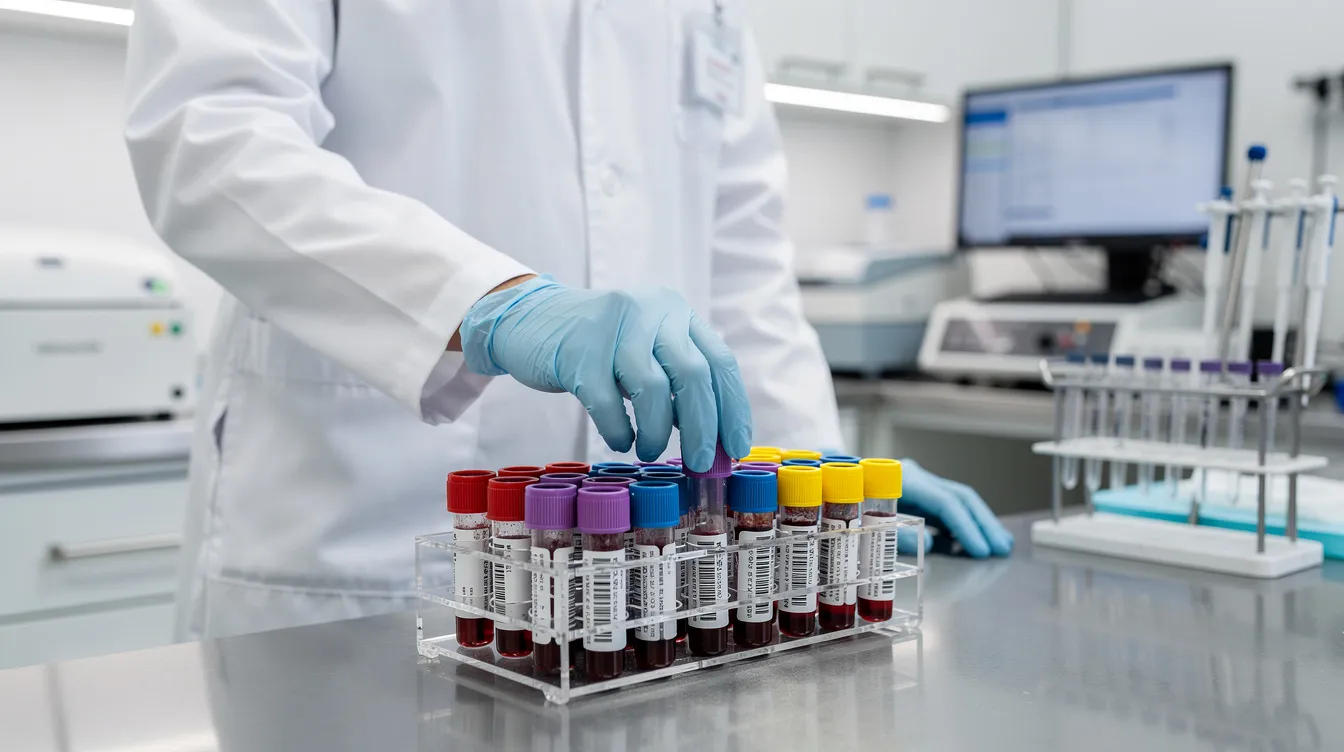
Blood Work in Hackettstown, NJ: Diagnostic Testing for Better Mental Health at Revitalizing Remedies