PTSD Treatment in Hackettstown NJ at Revitalizing Remedies
Introduction
PTSD treatment in Hackettstown, NJ is available at Revitalizing Remedies through comprehensive, evidence-based care that may include trauma-focused therapy such as Cognitive Processing Therapy (CPT), Prolonged Exposure (PE), and EMDR, along with psychiatric evaluation, medication management, and coordination with local trauma specialists. This overview is written for adults in Morris and Sussex Counties who are dealing with PTSD symptoms or treatment-resistant depression, as well as family members helping them find effective local care.
You’ll find a clear summary of PTSD symptoms and diagnosis, first-line trauma-focused psychotherapies, medication options, complementary lifestyle supports, and advanced treatment options for co-occurring depression, including how Revitalizing Remedies approaches PTSD treatment in Hackettstown. Because untreated PTSD can disrupt daily life and increase the risk of depression, substance use, and physical health problems, knowing which proven treatments are available nearby can help you seek timely, personalized care and improve long-term recovery.
Key Takeaways
- Trauma focused psychotherapy—including Cognitive Processing Therapy (CPT), Prolonged Exposure (PE), and Eye Movement Desensitization and Reprocessing (EMDR)—is considered the gold standard for treating PTSD according to 2024–2025 VA/DoD and American Psychiatric Association guidelines.
- Medications such as sertraline, paroxetine, fluoxetine, and venlafaxine can help reduce PTSD symptoms, but are most effective when combined with therapy rather than used alone.
- Complementary approaches like yoga, aerobic exercise, and art therapy can provide additional symptom relief when used alongside evidence-based trauma treatment.
- Post-traumatic stress disorder can be successfully treated even years or decades after the traumatic event; seeking early professional help significantly improves outcomes.
- Residents of Morris and Sussex Counties, NJ can contact Revitalizing Remedies in Hackettstown for comprehensive psychiatric evaluation, medication management, and coordination with trauma-focused therapists.
What Is PTSD and Why Treatment Matters
Posttraumatic stress disorder is a mental health condition that can develop after exposure to a traumatic event such as a car accident, sexual assault, serious injury, medical emergency, or military combat. While it's normal to experience distress after trauma, PTSD occurs when symptoms persist for more than a month and significantly disrupt daily life.
Symptoms of post-traumatic stress disorder (PTSD) usually fall into four main groups: intrusion symptoms, avoidance symptoms, changes in thinking and mood, and changes in arousal and reactivity.
The Diagnostic and Statistical Manual (DSM-5-TR) identifies four core symptom clusters:
| Symptom Cluster | Common Manifestations |
|---|---|
| Re-experiencing | Intrusive thoughts, flashbacks, nightmares, unwanted memories |
| Avoidance | Deliberately avoiding trauma reminders, places, or conversations |
| Negative mood/cognition | Persistent guilt, shame, emotional numbing, difficulty feeling positive emotions |
| Hyperarousal | Hypervigilance, exaggerated startle response, sleep disturbances, angry outbursts |
Current estimates suggest roughly 4–5% of U.S. adults experience PTSD in any given year, with higher rates among women and veterans. Left untreated, PTSD can cascade into depression, substance use disorders, relationship deterioration, and physical health issues. Revitalizing Remedies in Hackettstown, NJ offers comprehensive assessments to diagnose PTSD accurately and develop individualized mental health treatment plans that address both mental health conditions and related symptoms as part of its broader mental health treatment services in Hackettstown, NJ.
First-Line Trauma-Focused Psychotherapies
Major guidelines from the Veterans Affairs/Department of Defense and the American Psychiatric Association recommend trauma focused psychotherapy as first line treatments for PTSD. These psychological treatment approaches share several key characteristics:
- Structured, time-limited format (typically 8–20 individual sessions)
- Direct focus on processing traumatic memories and unhelpful beliefs
- Strong research support from randomized controlled trials
- Deliverable in-person or via secure telehealth
Treatment choice should account for patient preferences, trauma type (single-incident versus complex interpersonal), co-occurring mental disorders like depression or panic attacks, and practical factors including schedule and insurance coverage. Revitalizing Remedies can coordinate with local trauma therapists to connect patients with the most appropriate evidence-based approach through its psychiatry and mental health treatment in Hackettstown, NJ.
Below is a summary table comparing the main features and differences between CPT, PE, and EMDR:
| Therapy Type | Definition | Main Focus | Typical Duration |
|---|---|---|---|
| Cognitive Processing Therapy (CPT) | Cognitive Processing Therapy (CPT) is a specific type of cognitive behavioral therapy that helps patients learn to modify and challenge unhelpful beliefs related to trauma. | Identifying and challenging "stuck points" or rigid trauma-related beliefs | ~12 sessions |
| Prolonged Exposure (PE) Therapy | Prolonged Exposure Therapy is a specialized form of cognitive behavioral therapy that teaches individuals to gradually confront trauma-related memories and situations, helping them learn that these memories do not pose a danger. | Gradual confrontation of trauma memories and avoided situations | 8–15 sessions |
| Eye Movement Desensitization and Reprocessing (EMDR) | Eye Movement Desensitization and Reprocessing (EMDR) is a structured therapy that encourages patients to focus on trauma memories while experiencing bilateral stimulation, which can reduce the emotional intensity of those memories. | Reprocessing traumatic memories with bilateral stimulation | 8 phases, variable sessions |

Cognitive Behavioral Therapy (CBT) for PTSD
Cognitive Behavioral Therapy (CBT) focuses on the relationships among thoughts, feelings, and behaviors, targeting current problems and symptoms to change patterns that lead to difficulties in functioning.
Cognitive behavioral therapy examines the links between thoughts, feelings, and behaviors that maintain PTSD symptoms over time. This behavioral therapy approach helps people with PTSD identify patterns keeping them stuck and develop practical strategies for moving forward.
Typical CBT elements for PTSD include:
- Psychoeducation about trauma responses and PTSD symptoms
- Cognitive restructuring to challenge negative or distorted trauma-related thoughts
- Skills training in anxiety management, relaxation, and grounding techniques
- Graded exposure to safe but avoided situations
PTSD-focused cognitive behavioural therapy usually runs 12–16 weekly sessions, each with clear goals and between-session homework. The approach adapts well for adults with co-occurring depression, panic disorder, or generalized anxiety. For example, someone in Hackettstown who developed intense fear after a car accident on Route 46 might use CBT skills to gradually challenge catastrophic thoughts about driving, practice relaxation techniques before getting behind the wheel, and systematically return to safe local roads with decreasing anxiety.
Cognitive Processing Therapy (CPT)
Cognitive Processing Therapy (CPT) is a type of cognitive behavioral therapy that helps patients learn to modify and challenge unhelpful beliefs related to trauma. Originally developed in the late 1980s and extensively tested in VA hospitals, CPT demonstrates strong outcomes for survivors of military combat, sexual assault, and interpersonal violence. CPT focuses on identifying and challenging "stuck points"—rigid, trauma-related beliefs that prevent natural recovery. These typically cluster around five themes:
- Safety ("The world is entirely dangerous")
- Trust ("No one can be relied upon")
- Control ("I have no power over anything")
- Esteem ("I am worthless")
- Intimacy ("I cannot connect with others")
Treatment typically lasts about 12 sessions and may include writing detailed impact statements and trauma accounts to re-evaluate their meaning.
Revitalizing Remedies can help patients determine if CPT is appropriate and refer to credentialed providers throughout Morris and Sussex Counties.
Prolonged Exposure (PE) Therapy
Prolonged Exposure Therapy is a specialized form of cognitive behavioral therapy that teaches individuals to gradually confront trauma-related memories and situations, helping them learn that these memories do not pose a danger. This exposure therapy approach is based on the principle that avoidance maintains fear, while safe confrontation allows the brain to learn that trauma reminders are not inherently dangerous. PE includes two main components:
- Imaginal exposure: Repeatedly recounting the traumatic event in detail during sessions
- In vivo exposure: Planned, real-world engagement with safe but avoided places or activities
Treatment typically spans 8–15 sessions and has extensive research support for survivors of combat, assault, accidents, and disasters. Over time, patients experience significant reduction in anxiety, flashbacks, and intrusion symptoms. Consider someone who avoids driving on I-80 after a serious crash. Using PE techniques coordinated with a local therapist, they might begin by simply visualizing the highway while practicing relaxation, then progress to driving on quieter roads, and eventually return to the actual location with diminishing fear.
Eye Movement Desensitization and Reprocessing (EMDR)
Eye Movement Desensitization and Reprocessing (EMDR) is a structured therapy that encourages patients to focus on trauma memories while experiencing bilateral stimulation, which can reduce the emotional intensity of those memories. EMDR is an 8-phase structured therapy endorsed by the World Health Organization and widely used for both single-incident and complex trauma. EMDR combines recalling traumatic memories with bilateral stimulation—typically guided eye movements, alternating taps, or sounds. The prevailing theory suggests bilateral stimulation facilitates communication between emotional and cognitive brain regions, allowing "stuck" traumatic experiences to be adaptively reprocessed. This reduces the emotional intensity of traumatic memories and decreases their intrusiveness.
Key advantages of EMDR include:
- Does not require extensive verbal narration of trauma details
- Structured phases provide clear treatment roadmap
- Effective for intrusive imagery and flashbacks
- Deliverable via telehealth with proper training
Revitalizing Remedies collaborates with EMDR-trained clinicians in the Hackettstown area as part of broader treatment plans that may include psychiatric care in Hackettstown, medication management, and psychiatric monitoring.
When these first-line therapies are not available or effective, other options may be considered, as discussed in the next section.
Second-Line Therapies and Medication Options
When first-line trauma focused psychotherapy is unavailable, declined, or only partially effective, guidelines support a range of second-line approaches. "Second-line" does not mean ineffective—rather, the evidence is moderate or mixed compared to primary options. At Revitalizing Remedies, psychiatrists carefully weigh benefits and side effects for each patient, especially those with complex medical histories or multiple mental health issues. Medication often helps reduce anxiety, depression, irritability, and sleep problems so patients can fully engage in psychotherapy, and many individuals also benefit from effective depression therapy in New Jersey that integrates counseling with medication management.
Cognitive Therapy for PTSD
Cognitive therapy for PTSD differs from broader CBT by focusing specifically on maladaptive appraisals of trauma and its aftermath. Common targets include:
- Exaggerated responsibility or self-blame
- Overgeneralized danger beliefs
- Distorted memories of what occurred
This talking therapies approach uses thought records, behavioral experiments, and detailed discussion of trauma-related interpretations. It can be especially useful for individuals struggling with strong guilt, shame, or moral injury after traumatic experiences. For some Hackettstown-area patients who find full exposure-based treatments overwhelming, cognitive therapy offers a strong alternative that still addresses core PTSD mechanisms.
Medications and Medication Management Used for PTSD
Selective serotonin reuptake inhibitors and serotonin-norepinephrine reuptake inhibitors (SNRIs) are the main medication classes recommended for PTSD. These medications affect brain chemicals involved in mood regulation and stress response.
| Medication | Brand Name | FDA Status for PTSD |
|---|---|---|
| Sertraline | Zoloft | FDA-approved |
| Paroxetine | Paxil | FDA-approved |
| Fluoxetine | Prozac | Strong evidence |
| Venlafaxine | Effexor XR | Strong evidence |
Benefits of these medications may include:
- Reduction in intrusive thoughts and flashbacks
- Decreased hypervigilance and intense fear responses
- Improved mood and reduced depressive symptoms
- Better sleep quality and fewer sleep problems
Possible side effects to monitor:
- Gastrointestinal upset
- Sexual side effects
- Sleep changes
Side effects require ongoing monitoring and dose adjustments. Revitalizing Remedies offers outpatient psychiatry and medication management in Hackettstown, including baseline labs, blood pressure monitoring, and regular follow-up visits to optimize PTSD medication regimens. For persistent PTSD nightmares, prazosin (originally a blood pressure medication) may reduce or suppress disturbing dreams in some patients.
As you consider medication and therapy options, complementary and lifestyle-based supports can further enhance your recovery, as described in the following section.
Complementary and Lifestyle-Based PTSD Supports
Evidence-informed complementary therapies and lifestyle changes can ease PTSD symptoms alongside—but not replace—trauma focused psychotherapy. These approaches provide gradual symptom relief, help manage stress, and improve overall health rather than offering instant cures. Clinicians at Revitalizing Remedies may recommend or coordinate with local wellness providers, physical therapists, and yoga studios throughout the Hackettstown area. Always consult a mental health professional or healthcare provider before starting intense physical activities, especially with existing medical conditions.

Mind-Body Practices (Yoga, Tai Chi, Meditation)
Yoga and Tai Chi use slow, mindful movement and controlled breathing to calm the autonomic nervous system. For people with PTSD, these practices can:
- Reduce hyperarousal and exaggerated startle responses
- Improve body awareness and reduce dissociation
- Decrease anxiety and trouble sleeping
- Build stress management skills
Mindfulness meditation and breathing exercises are accessible tools patients can learn in therapy and practice at home daily. Research from the 2010s and 2020s, including Harvard Medical School studies, shows meaningful reductions in PTSD symptoms among regular practitioners. Start with beginner-level classes or short guided audio sessions a few times per week. Revitalizing Remedies clinicians may integrate brief grounding techniques into sessions and encourage local class participation.
Physical Activity and Outdoor Therapies
Aerobic exercise like running or brisk walking increases brain-derived neurotrophic factor (BDNF), which supports neuroplasticity and fear extinction—the brain's ability to "unlearn" conditioned fear responses. Regular physical activity also helps reduce anxiety and improve mood.
Outdoor activities combine movement with nature exposure and stress relief:
- Hiking on New Jersey trails
- Gardening in backyard spaces
- Walking near water at local parks
- Cycling on community paths
Some evidence suggests repeated safe exposure to mild physical stressors (like cold-water swimming) may help recalibrate stress responses under professional supervision. Aim for at least 150 minutes per week of moderate activity if medically appropriate, adjusting based on energy and pain levels.
Creative and Sensory Therapies
Art therapy, music therapy, and narrative based approaches help process trauma through nonverbal or semi-verbal channels. These therapies can:
- Regulate emotions without requiring verbal articulation
- Improve communication between feeling and thinking brain regions
- Reduce dissociation and improve affect tolerance
Narrative exposure therapy specifically helps patients construct coherent, integrated trauma stories—particularly valuable for complex trauma histories. Rapid stress management techniques using fidget tools or weighted objects provide quick, portable strategies for flashbacks or panic attacks.
Emerging and Complementary Clinical Treatments
Treatments such as acupuncture, neurofeedback, Tension & Trauma Releasing Exercises (TRE), and psychedelic-assisted therapy for PTSD and trauma show promise but have mixed to moderate evidence, and some may also support patients with chronic pain. These work best as additions to standard care rather than standalone solutions. Brain stimulation therapies like TMS care for depression in New Jersey are not yet standard for PTSD specifically, but have growing research support for co-occurring depression. At Revitalizing Remedies, we integrate traditional psychiatry with innovative care and other therapies to treat the full person, and Transcranial Magnetic Stimulation (TMS) is available for depression treatment, including treatment-resistant depression, to support long-term well being when PTSD and mood symptoms overlap.
With these supportive therapies in mind, you may be wondering how a local clinic can help coordinate your care. The next section explains how Revitalizing Remedies approaches PTSD treatment in Hackettstown, NJ.
How Revitalizing Remedies Approaches PTSD Care in Hackettstown, NJ
Revitalizing Remedies is a specialty mental health and behavioral health clinic in Hackettstown, New Jersey, serving adults from Morris and Sussex Counties and surrounding communities, following its launch as a new comprehensive mental health and wellness center in Hackettstown. The clinic's comprehensive, integrated model combines:
- Diagnostic evaluation using current criteria
- Medication management tailored to individual needs
- Therapy coordination with local trauma specialists
- Advanced treatments for co-occurring depression and anxiety
As a collaborative treatment center, the clinic brings its multidisciplinary team together to support clients through coordinated care. While core trauma-focused therapies remain central, the clinic also addresses sleep, mood, and physical health issues that often accompany PTSD. Major insurers are accepted, including Medicare and Medicaid, making care accessible for local residents. Revitalizing Remedies is committed to compassionate care that responds to each person's unique needs.

Core Mental Health Services Relevant to PTSD
Psychiatric evaluation and medication management: Thorough assessment of trauma history, PTSD symptom severity, related conditions, and treatment history. Ongoing medication monitoring with regular follow-up appointments during titration and maintenance phases.
Therapy coordination: Connection with local CBT, CPT, PE, or EMDR providers that match patient specific needs, insurance, and preferences. Warm handoffs ensure continuity between psychiatric care and psychotherapy. When needed, we also coordinate with local resources such as Hackettstown Medical Center for patients with co-occurring opioid addiction or substance abuse who need counseling support.
Diagnostic testing and blood work: Baseline labs to rule out thyroid disease, vitamin deficiencies, or other medical condition factors that may worsen PTSD-related symptoms or affect medication choices.
Micronutrient IV therapy: May support overall energy, immune function, and recovery in selected patients after thorough medical review as part of the Revitalizing Remedies clinic in Hackettstown.
Traditional therapy: In-house sessions focusing on coping skills, grounding techniques, individual counseling, and preparation or follow-up for intensive trauma work with partnered therapists. When clinically appropriate, group counseling and family counseling may also be included, with family involvement supporting recovery and relapse prevention in co-occurring substance use treatment.
Advanced Treatments for Co‑Occurring Depression and Anxiety
Many patients with PTSD also experience treatment-resistant depression, severe symptoms of anxiety, or suicidal thoughts that block progress in trauma therapy, and may need more empowering mental health solutions and comprehensive treatment in NJ. When standard medications prove insufficient after adequate trials, empowering mental health solutions and advanced treatment options become valuable.
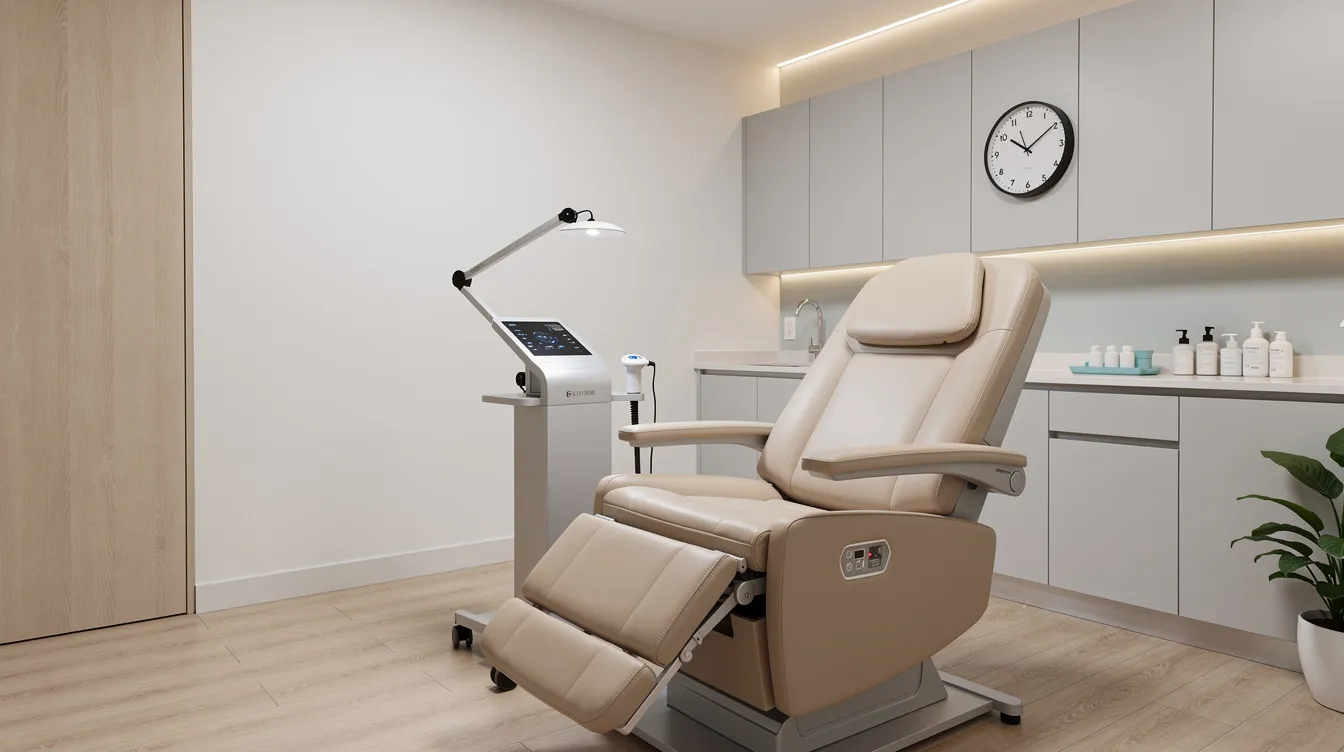
Revitalizing Remedies offers SPRAVATO® (esketamine) nasal spray through its specialized SPRAVATO® ketamine treatment program for depression in NJ, an FDA-approved ketamine treatment for adults with treatment-resistant depression. Administered in-clinic under monitoring, it offers a novel mechanism distinct from traditional antidepressants, with some patients experiencing improvement within days to a few weeks; you can learn more about how Spravato (esketamine) works for depression and whether it may fit your needs.
Transcranial Magnetic Stimulation (TMS) is a noninvasive brain stimulation therapy for major depressive disorder when medications haven't provided sufficient relief, and it is part of our broader mental health services, including TMS treatment for treatment-resistant depression in New Jersey. Standard protocols involve 5 sessions weekly for 4–6 weeks. While SPRAVATO and TMS are not primary PTSD treatments, effectively treating severe depression can help clients engage in and benefit from trauma-focused psychotherapy—enabling meaningful progress in the overall healing process.
As you consider your options for care, planning your treatment journey is the next important step.
Planning Your PTSD Treatment Journey
Starting PTSD treatment begins with seeking thorough evaluation from a qualified mental health professional. Before your first appointment, consider:
- Documenting current symptoms and specific triggers
- Listing past treatments and medications (including what helped and what didn't)
- Clarifying personal goals (better sleep, improved relationships, return to work)
- Noting questions about different treatment options
Collaborative decision-making is essential. Understanding the benefits and limitations of CBT, CPT, PE, EMDR, medications, and complementary therapies helps you participate actively in your care. Set realistic expectations: PTSD treatment often takes weeks to months, with gradual but meaningful gains rather than overnight transformation. Treatment frequency varies by level of care, from weekly therapy in outpatient settings to more intensive schedules such as four individual therapy sessions per week in residential programs. Many people notice improvement within 4–6 weeks of consistent therapy, though complete treatment courses often span 12–20 sessions.
Remember that PTSD can be successfully treated even years or decades after the traumatic event occurred. If you've been struggling in silence, it's not too late to seek professional help. Contact Revitalizing Remedies in Hackettstown to explore personalized treatment approaches and take the first step toward recovery.
For answers to common questions about PTSD therapy, see the next section.
Frequently Asked Questions About PTSD Therapy
How long does PTSD therapy usually take before I notice improvement?
Many people begin noticing some symptom improvement within 4–6 weeks of consistent, weekly trauma-focused therapy. However, full treatment courses often last 8–20 sessions depending on trauma complexity and individual response. Severe symptoms, delayed expression of PTSD, or co-occurring conditions like substance use may lengthen treatment timelines. Medication adjustments typically require 4–8 weeks to show full benefit. At Revitalizing Remedies, progress is monitored regularly and treatment plans are adjusted as needed, including the option of Spravato (esketamine) for treatment-resistant depression, to ensure you're gaining control over symptoms.
Can PTSD really be treated years after the trauma happened?
Yes, PTSD can be effectively treated even if the traumatic event occurred many years or decades earlier. Research studies and veteran treatment programs through Veterans Affairs regularly work with individuals whose traumas happened long in the past, demonstrating consistent positive outcomes with appropriate psychological treatment. Older adults or long-term sufferers in the Hackettstown area should not assume it's "too late"—effective treatments remain available regardless of when trauma originally occurred.
Do I have to talk about every detail of my trauma in therapy with a licensed professional counselor?
Different therapies require different levels of detail. Prolonged exposure and certain CBT approaches involve thorough discussion of traumatic memories, while EMDR and some cognitive therapy variants may use briefer descriptions. Patients and therapists work together to pace treatment safely, and stabilization skills are always part of ethical trauma care. At Revitalizing Remedies and partner clinics, respecting patient readiness and maintaining informed consent is central to every treatment plan.
Is medication always necessary for PTSD treatment?
No, many people improve substantially with psychotherapy alone. Medication becomes especially helpful when PTSD is accompanied by severe depression that benefits from targeted therapy, panic attacks, or sleep disturbances that interfere with engaging in therapy. Revitalizing Remedies clinicians discuss medication options openly, respecting patient preferences and focusing on the least intensive effective approach. For some patients, medication provides initial stabilization that makes trauma-focused therapy more accessible and productive.
Does Revitalizing Remedies offer virtual visits for PTSD-related care?
Yes, telehealth appointments are available for many mental health services, including counseling visits, psychiatric consultations, medication follow-ups, and supportive therapy, subject to New Jersey regulations and insurance coverage. Virtual care benefits patients in rural parts of Morris and Sussex Counties or those with transportation and mobility challenges, and can offer added flexibility for adults, adolescents, and families when clinically appropriate. Care planning may vary for children, and concerns such as parenting stress, learning disabilities, disabilities, or other mental health problems can affect whether telehealth is the right fit or whether a referral is needed. Contact Revitalizing Remedies or visit the clinic website to confirm current telehealth options, evening options, and scheduling availability.