Esketamine vs Ketamine: Which Is Right for Treatment‑Resistant Depression?
Key Takeaways
- Ketamine and esketamine can have rapid antidepressant effects for depression symptoms, but only intranasal esketamine, SPRAVATO®, is fda approved specifically for treatment-resistant depression.
- Esketamine is covered by most insurance plans, including Medicare and often Medicaid, when criteria are met; IV ketamine infusions are usually self-pay because ketamine treatment for depression is off-label.
- Ketamine is typically administered intravenously in infusion clinics; esketamine treatment is an in-clinic nasal spray program with REMS safety monitoring.
- Revitalizing Remedies in Hackettstown, NJ offers SPRAVATO treatment, TMS, psychiatry, therapy, diagnostic testing, and medication management for better mental health.
- Keep reading to compare esketamine vs ketamine on efficacy, safety, access, and treatment decisions.
Introduction: Why Compare Esketamine and Ketamine?
Many adults with major depressive disorder try traditional antidepressants and still struggle with depressive symptoms, low motivation, suicidal thoughts, and impaired daily functioning. That is why rapid-acting options such as ketamine therapy and esketamine treatment have created new hope.
Treatment resistant depression usually means major depression that has not improved after at least two adequate trials of conventional antidepressants. This article, from Revitalizing Remedies, compares ketamine vs esketamine: how the two drugs work, how they are given, what clinical trials show, and how access differs in New Jersey, while highlighting that both are important treatment options for adults with TRD.
Understanding Treatment‑Resistant Depression (TRD)
Treatment-resistant depression is commonly defined as inadequate response to at least two antidepressants taken at proper doses for about six weeks each.
TRD can involve:
- Persistent symptoms and worsening depression severity
- Loss of work, school, or family function
- Higher hospitalization risk
- Increased risk of suicidal ideation
Other antidepressants often target serotonin, norepinephrine, or dopamine. Ketamine and esketamine work through a different mechanism involving glutamate, the most abundant chemical messenger in the brain. At Revitalizing Remedies, we evaluate whether esketamine for treatment resistant depression, TMS, or other treatments may help patients who have not found relief with traditional treatments.
What Is Ketamine?
Ketamine was developed as an anesthetic in the 1960s, and ketamine is approved by the fda as an anesthetic and pain management medication. At lower doses, research suggests it may treat depression rapidly, similar to how Spravato (esketamine) targets NMDA receptors for rapid antidepressant effects.
In clinical psychiatry, ketamine is considered off-label for depression, usually given intravenously or intramuscularly. Ketamine is most commonly administered as an intravenous infusion that usually lasts over 40 minutes, although it can also be given intramuscularly. There is no singular recommended administration schedule, but many clinics use multiple doses, often 6–8 ketamine infusions over 2–4 weeks.
As of 2023, ketamine is not FDA-approved for the treatment of depression, which affects its availability and insurance coverage. Ketamine treatments for depression are not covered by insurance because it is not FDA-approved for this use, requiring patients to pay out of pocket.
What Is Esketamine (SPRAVATO®)?
Ketamine contains two mirror image molecules, and esketamine is the S-enantiomer formulated as esketamine nasal spray. Esketamine (Spravato) was approved by the FDA in 2019 specifically for the treatment of treatment-resistant depression and major depressive disorder with acute suicidal ideation or behavior.
Unlike ketamine, SPRAVATO is an FDA-approved treatment for eligible patients. Esketamine therapy is delivered as intranasal esketamine under direct medical supervision in a clinical setting. Esketamine requires a 2-hour observation period in a certified clinic post-administration under the Risk Evaluation and Mitigation Strategy (REMS) program.
Esketamine treatment usually involves two sessions per week for the first four weeks, followed by weekly sessions, and then tapering to maintenance doses based on treatment response; some patients notice benefits after the first treatment, though the full plan continues over subsequent visits and is often used alongside an oral antidepressant. Revitalizing Remedies provides SPRAVATO® in Hackettstown as part of ongoing care.
Chemical Structure and How They Work in the Brain
Esketamine and ketamine are chemically related medications that differ in their chemical structures, medical uses, approved delivery methods, and intensity of side effects, and understanding the science of Spravato and esketamine can help clarify how these differences affect treatment.
- Chemical structure: Ketamine is a racemic mixture, or racemic ketamine, composed of two stereoisomers: (R)-ketamine and (S)-ketamine (esketamine).
- Esketamine is the purified S-enantiomer of ketamine, which is thought to have a higher affinity for the NMDA receptor, enhancing its antidepressant effects.
- Both ketamine and esketamine work primarily through glutamate receptor systems, which play a key role in synaptic plasticity and mood regulation, differing from traditional antidepressants that target serotonin and norepinephrine.
By blocking NMDA receptors, short for n methyl d aspartate receptors, and driving downstream activation of AMPA receptors, these treatments can shift glutamatergic neurotransmission and help brain cells communicate through stronger neural connections. Glutamate is also an abundant chemical messenger involved in learning and mood. Lower doses of esketamine may provide relief with fewer side effects for some patients.
Similarities Between Ketamine and Esketamine
Ketamine and esketamine share core features:
- Both have a rapid onset, with relief possible within hours to days.
- Both may help many patients after multiple antidepressant failures.
- Both may reduce suicidal thoughts faster than standard medications.
- Both are Schedule III controlled substances.
- Both ketamine and esketamine must be administered under medical supervision in a clinical setting due to their potential side effects and the need for monitoring.
Both ketamine and esketamine can cause temporary side effects such as dissociation, dizziness, and elevated blood pressure, and both require patients to arrange safe transportation home after treatment.
Key Differences: Esketamine vs Ketamine
The biggest significant differences involve fda approval, administration, insurance coverage, and oversight.
| Factor | Ketamine | Esketamine |
|---|---|---|
| FDA status | Not FDA approved for depression | fda approved for TRD |
| Route | Usually iv ketamine | intranasal esketamine |
| Coverage | Usually self-pay | Covered by most insurance plans |
| Oversight | Varies by clinic | REMS-certified protocol |
| Ketamine generally produces a deeper, more intense dissociative and psychedelic experience compared to esketamine. A study found that 58% of patients receiving intravenous ketamine experienced dissociative symptoms compared to 34% of those receiving intranasal esketamine, indicating a lower risk of dissociation with esketamine. |
Esketamine vs Ketamine for Treatment‑Resistant Depression
Both treatments can reduce depression scores and improve symptom severity measures meaningfully. IV ketamine often works faster than esketamine, with some patients experiencing relief after just one infusion. IV ketamine often brings significant mood relief faster than esketamine, sometimes after only 2 to 3 sessions.
Esketamine has shown rapid antidepressant effects, often within hours, making it particularly beneficial for patients with treatment-resistant depression. Clinical trials indicate that esketamine can reduce depression symptoms in a majority of patients with treatment-resistant depression, with some studies reporting a 49.2% decrease in depression scores with IV ketamine compared to a 39.6% reduction with esketamine.
Across comparative research, key findings include the fact that esketamine has stronger FDA-reviewed long-term maintenance data, including relapse-prevention studies. Esketamine is the only drug besides lithium that has been proven to decrease suicidal thoughts, providing a significant advantage for individuals at high risk of suicide. See the FDA SPRAVATO safety information for more context.
Administration Experience: What Patients Can Expect
With IV ketamine therapy, patients arrive, receive an IV, complete an intravenous infusion over about 40 minutes, and remain monitored before going home. Practices vary, and some patients may also explore structured psychedelic-assisted therapy options under medical supervision when appropriate.
With esketamine nasal spray, patients complete vitals, medication review, supervised dosing, and monitoring for two hours. Esketamine is administered as a nasal spray, allowing for easier dosing and improved patient compliance compared to intravenous ketamine. No driving is allowed until the next day.
At Revitalizing Remedies, most patients receive step-by-step preparation before SPRAVATO treatment.

Side Effects and Safety Considerations
Both are generally well tolerated when monitored, but they are powerful medications. Common effects include dissociation, dizziness, blurred vision, nausea, hallucinations, sedation, and transient increases in blood pressure.
Both medications temporarily raise blood pressure and heart rate, peaking around 40 minutes post-dose. Common side effects of esketamine treatment include mild dissociation, sedation, and transient increases in blood pressure, which typically resolve within a few hours after administration. Both ketamine and esketamine can cause side effects such as dizziness, nausea, and hallucinations, but these effects are generally mild and subside shortly after treatment.
Safe use also depends on careful patient selection, with extra caution needed for uncontrolled hypertension, cardiovascular disease, pregnancy, substance use disorders, and some neurological conditions, and trauma histories that may benefit from specialized PTSD therapy options.
FDA Approval and Insurance Coverage
FDA approval matters because it affects standardization, safety review, and insurance plans. Esketamine's fda approval allows it to be covered by most insurance plans, including Medicare, while ketamine treatments are typically not covered due to its off-label status.
Esketamine, on the other hand, is covered by most insurance plans, including Medicare, due to its FDA approval and established safety and efficacy. To qualify for insurance coverage for esketamine, patients typically need to have tried at least two other antidepressants without sufficient benefit or with intolerable side effects. Some plans also ask about oral antidepressants, although SPRAVATO's TRD indication expanded in 2025 to include monotherapy for certain adults.
Revitalizing Remedies helps verify benefits, prior authorizations, and expected costs as part of its broader mental health treatment services in Hackettstown, NJ
Costs, Accessibility, and Practical Trade‑Offs
Ketamine infusions may have a lower per-session cash price, but patients often pay fully out of pocket. Esketamine may have a higher listed price, but insurance can significantly reduce patient cost, especially when accessed through empowering mental health solutions in New Jersey
Also consider:
- Transportation after every session
- Time in clinic, often 2–3 hours
- Maintenance frequency
- Facility and follow-up costs
- Whether TMS or medication management may be a better treatment option
Esketamine, Ketamine, and the Path to Better Mental Health
Neither treatment is a cure by itself. For sustained better mental health, ketamine and esketamine should be paired with cognitive and behavioral therapy approaches, medication review, lifestyle support, and careful follow-up.
Do not self-medicate with illegally obtained ketamine. Medically supervised care is essential, especially for complex mental health conditions, and centers like Revitalizing Remedies in Hackettstown provide comprehensive wellness and mental health services to support safe treatment choices.
How Revitalizing Remedies Approaches Esketamine vs Ketamine
Revitalizing Remedies is a specialty psychiatry and mental health clinic in Hackettstown, New Jersey. We do not operate as a ketamine infusion center; instead, we offer FDA-approved intranasal esketamine, TMS, personalized therapy and depression treatment, diagnostic testing, and coordinated depression treatment.
Our process includes psychiatric assessment, medication history review, evidence-based depression therapy options, discussion of SPRAVATO and TMS, coordination with current providers, and progress monitoring over time. We accept major insurance plans, including Medicare and Medicaid.
Other Advanced Depression Treatments at Revitalizing Remedies
Not every patient is a candidate for ketamine treatment or esketamine. Our toolkit includes multiple evidence-based options, including FDA-approved transcranial magnetic stimulation (TMS) in NJ, similar to other regional centers that focus on mental health and TMS care:
- TMS therapy, an approved by the fda noninvasive option for MDD
- Psychiatry and medication management
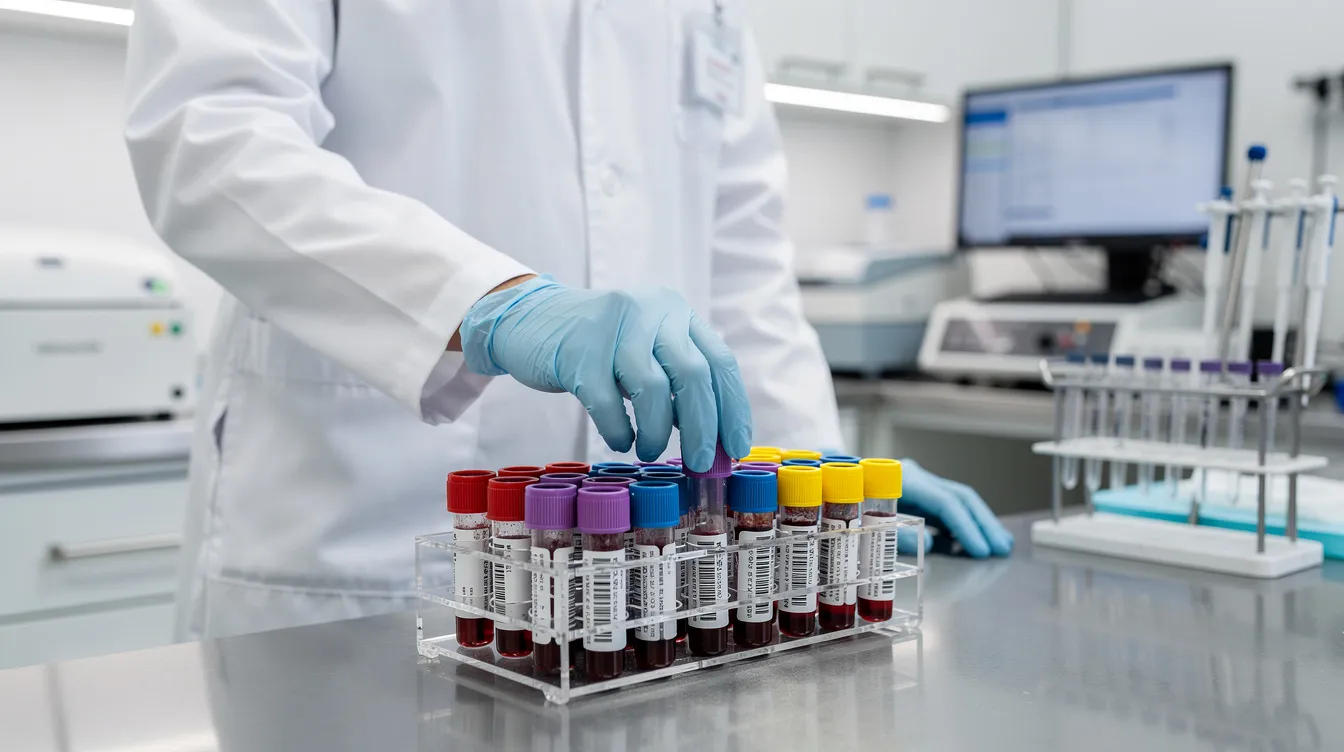
- Diagnostic testing and blood work for thyroid, vitamin, and medical contributors
- Micronutrient IV therapy when appropriate, along with resources such as our Revitalizing Remedies wellness insights blog and mental health video library
- Traditional psychotherapy supported by our patient stories and testimonials
Johns Hopkins Medicine and other academic centers continue to highlight the importance of individualized care for TRD, a principle that guided the development of Revitalizing Remedies' comprehensive services in Hackettstown.
Choosing Between Esketamine and Ketamine: Questions to Ask Your Provider
Ask:
- Do I meet criteria for treatment resistant depression?
- Is this treatment FDA approved for my condition?
- Who monitors me during and after sessions?
- What side effects should I expect?
- Will my insurance cover esketamine therapy?
- What are my total costs over months, not just one visit?
These questions help you make informed decisions.
Get Started with Esketamine Treatment at Revitalizing Remedies
If you recognize your experience in this article, Revitalizing Remedies can help. Schedule an initial consultation in Hackettstown, NJ to review your history, explore SPRAVATO® and TMS options, and understand coverage.
Our team can verify insurance coverage, including Medicare and Medicaid, and explain patient forms before your first visit. Reaching out is a strong first step toward treatment, support, and relief.

Frequently Asked Questions About Esketamine vs Ketamine
Is esketamine more effective than ketamine for depression?
Both esketamine and ketamine have shown rapid antidepressant effects and can be effective for treatment-resistant depression. Esketamine is FDA-approved for this use and has a more standardized dosing and safety protocol, while ketamine is used off-label. Studies suggest IV ketamine may produce a slightly faster or more intense effect, but esketamine offers advantages in safety monitoring and insurance coverage.
How long do the benefits of esketamine or ketamine last?
The duration of benefits varies by individual. Esketamine treatment typically follows an induction and maintenance schedule over several weeks to months to sustain effects. Ketamine infusions may provide rapid relief but often require repeated sessions. Both treatments are usually part of a broader care plan including therapy and medication management for lasting improvement.
Can I drive myself home after esketamine or ketamine treatment?
No, patients should not drive themselves home after either treatment. Esketamine requires a two-hour observation period due to sedation and dissociation risks, and ketamine infusions involve monitoring for side effects. Arranging transportation is necessary for safety.
What if I've tried ketamine infusions and they didn't help?
If ketamine infusions have not been effective, esketamine may still be an option due to its FDA approval, different administration route, and dosing protocols. A consultation with a mental health provider at Revitalizing Remedies can help determine the best next steps.
Am I a candidate for SPRAVATO® at Revitalizing Remedies?
Candidates typically include adults with treatment-resistant depression who have tried at least two standard antidepressants without sufficient benefit. A comprehensive psychiatric evaluation at Revitalizing Remedies will assess your history, current symptoms, and suitability for esketamine treatment.
Blood Work in Hackettstown, NJ: Diagnostic Testing for Better Mental Health at Revitalizing Remedies