Key Symptoms of Bipolar Depressive Disorder You Should Know
Bipolar disorder causes extreme mood swings between mania and depression, and it is the depressive side of this mental health disorder that most often drives people to seek care. If you live in the greater Hackettstown, NJ area and have been struggling with prolonged sadness, exhaustion, or hopelessness, understanding the symptoms of bipolar depressive disorder is a critical first step toward getting the right diagnosis and treatment.
Key Takeaways
- Bipolar disorder involves both manic episodes and depressive episodes. This article focuses on the depressive symptoms that frequently lead adults in Hackettstown, NJ to seek care at Revitalizing Remedies.
- Bipolar depressive episodes can look very similar to major depressive disorder, but they are part of a cyclical mental illness that also includes past or future manic or hypomanic episodes.
- Core symptoms of a depressive episode include persistent low mood, loss of interest in usual activities, changes in sleep and appetite, fatigue, difficulty concentrating, feelings of worthlessness, and thoughts of death or suicide.
- People with bipolar disorder tend to have more frequent and longer depressive episodes than manic episodes. Depressive episodes can last six to twelve months without treatment.
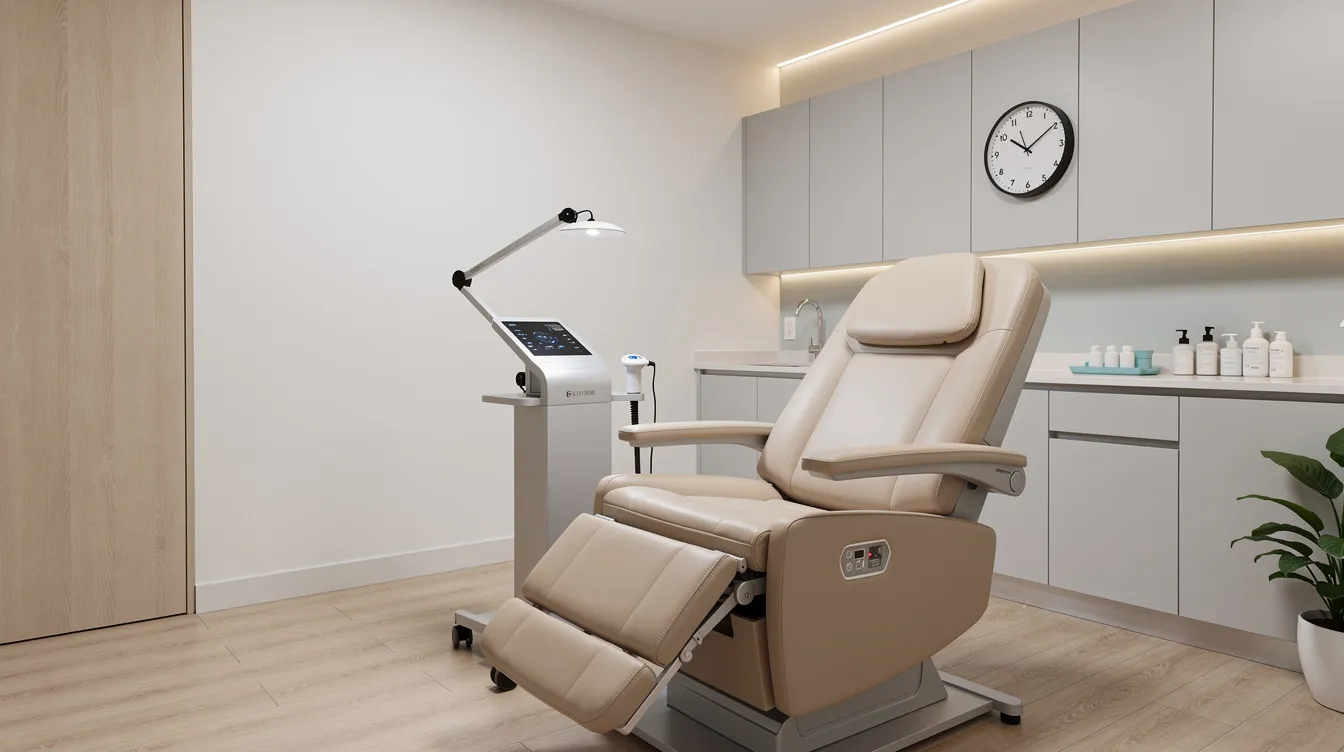
- Revitalizing Remedies in Hackettstown, NJ offers comprehensive evaluation and advanced treatments including SPRAVATO®, transcranial magnetic stimulation (TMS), and medication management. If you or someone you know is having suicidal thoughts, call or text 988 or call 911 immediately.

Understanding Bipolar Disorder and Bipolar Depression
Bipolar disorder is a mood disorder characterized by mood swings between manic episodes (or hypomanic episodes) and depressive episodes. Once called manic depression, this condition affects about 4% of the population and strikes males and females equally. Bipolar disorder often starts in the teenage years or early adulthood, with a mean age of onset around 20 to 21 years.
There are several types of bipolar and related disorders. Bipolar I disorder requires at least one full manic episode, with manic episodes lasting at least seven days or severe enough to need hospitalization. Bipolar II disorder features shorter, less intense hypomanic episodes alongside major depressive episodes. Cyclothymic disorder includes milder manic and depressive episodes that cycle over extended periods but do not meet full criteria for either bipolar I or bipolar II. There is also unspecified bipolar disorder, where mood symptoms are present but don't fit neatly into the other categories.
"Bipolar depression" refers specifically to the depressive episodes within bipolar disorder. These episodes can be as severe as any major depressive episode in major depression, and they often dominate the illness-research shows depressed mood accounts for up to two-thirds of symptomatic time. Many adults across Morris and Sussex Counties first seek help during a depressive episode without realizing they also have a history of mania or hypomania. At Revitalizing Remedies, clinicians evaluate for both manic and depressive symptoms to avoid misdiagnosis and build an accurate treatment plan.
What Does a Bipolar Depressive Episode Feel Like?
A bipolar depressive episode can feel like being stuck at the bottom of a dark hole. Your usual self disappears. Energy drains away, motivation vanishes, and even simple tasks at work, school, or home require enormous effort. A depressive episode in bipolar disorder includes a severe drop in mood and energy that goes far beyond having a rough day.
The clinical criteria for a major depressive episode require multiple persistent symptoms. Depressed mood includes feeling very down, sad, empty, or hopeless. Symptoms of bipolar depressive disorder last most of the day for at least two weeks and must represent a clear change from previous functioning. To qualify, at least five of the following must be present:
- Depressed mood nearly every day
- Loss of interest or pleasure in most activities
- Significant weight or appetite change
- Insomnia or oversleeping
- Fatigue or loss of energy
- Feelings of worthlessness or excessive guilt
- Trouble concentrating or making decisions
- Psychomotor agitation or slowing
- Recurrent thoughts of death or suicide
Some people in a depressive episode appear "high-functioning" on the outside while internally battling severe hopelessness and mental exhaustion. These are not moments of normal sadness-they are medical events that can and should be treated.
Core Depressive Symptoms in Bipolar Disorder
Below is a closer look at the key bipolar disorder symptoms during depressive episodes.
Low mood and loss of interest. Persistent sadness, emptiness, or feeling extremely irritable most days. Loss of interest or pleasure is a marked loss in usual activities and hobbies-things that once brought joy feel meaningless.
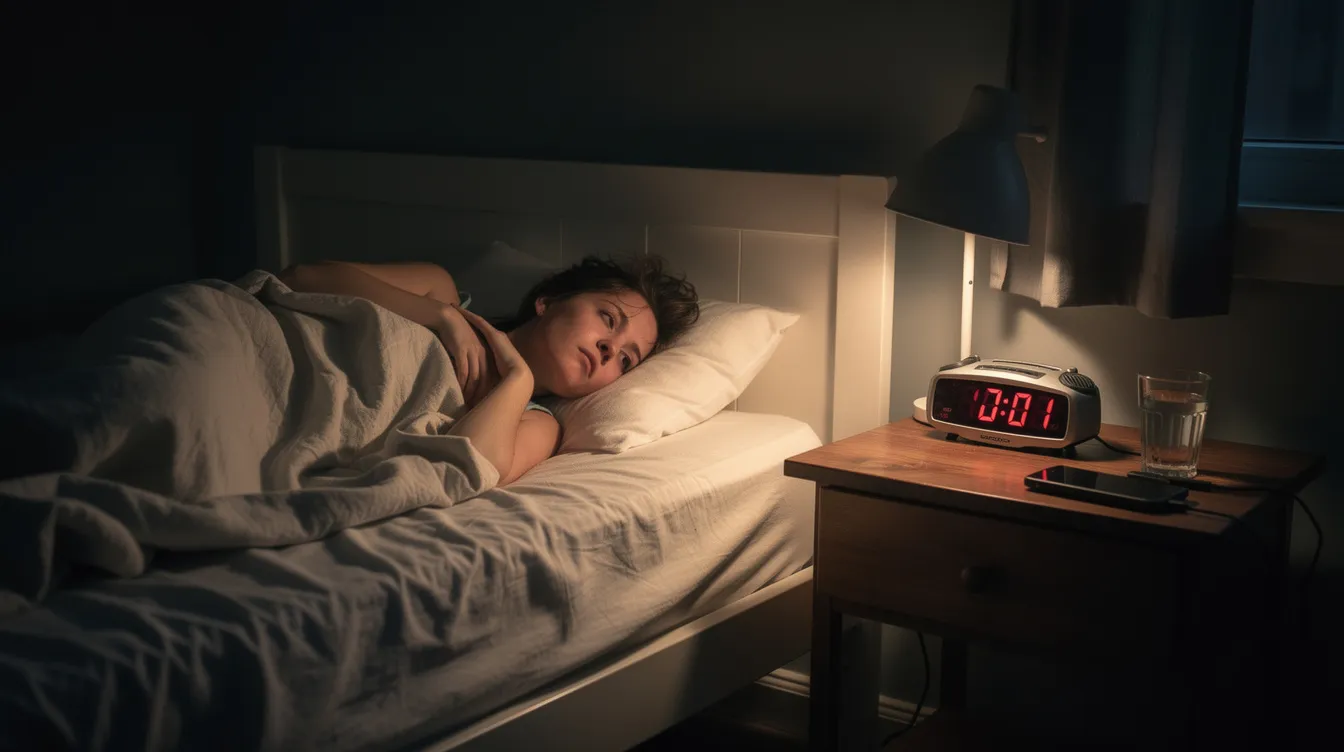
Physical and sleep symptoms. Sleep disturbances may include insomnia or hypersomnia causing unrefreshed waking. Some patients sleep twelve or more hours and still feel exhausted. Others wake at 3 a.m. and cannot fall back asleep. Fatigue is characterized by constant exhaustion and increased effort for even routine tasks. Appetite or weight changes involve significant unplanned loss or gain accompanied by appetite changes. Psychomotor agitation or retardation includes observable restlessness or slowed movements that others can notice.
Cognitive symptoms. Cognitive difficulties include trouble concentrating and making everyday decisions. Patients describe forgetting appointments, rereading the same paragraph, or taking twice as long to complete simple work. This difficulty concentrating often gets mistaken for laziness or disinterest.
Emotional and self-worth symptoms. Feelings of worthlessness or guilt involve excessive self-blame or feelings of being a burden. Harsh self-criticism and believing the future is permanently bleak are common.
Suicidality. Suicidal ideation involves recurrent thoughts of death or suicide attempts. Thoughts about death or self-harm are urgent warning signs requiring immediate help. If you or someone you know experiences these thoughts, call or text 988, call 911, or go to the nearest emergency room.
How Bipolar Depression Differs From Major Depressive Disorder
Many people seek care for depressive symptoms and are initially diagnosed with major depressive disorder when they actually have bipolar depression. Bipolar depressive disorder shares symptoms with major depressive disorder, but the distinction matters enormously for treatment.
Pattern changes including periods of mania or hypomania distinguish bipolar depression from unipolar depression. A diagnosis of bipolar depression considers the pattern of mood episodes over time-not just current symptoms. Even if a past elevated episode felt "productive" or was never seen as illness, it counts.
People with bipolar disorder experience more depressive episodes than manic episodes, and those episodes often start earlier in life and recur in a cyclical pattern. Mixed episodes include symptoms of both mania and depression simultaneously-a person may feel deeply low yet also restless, agitated, or impulsive. Mixed features increase suicide risk and require urgent, specialized treatment. Rapid cycling involves four or more mood episodes in one year, complicating the clinical picture further.
Critically, antidepressants can trigger manic episodes if used alone in someone with undiagnosed bipolar disorder. This is why accurate diagnosis from a mental health professional is essential before starting any medication.
Manic and Hypomanic Episodes: The Other Side of Bipolar Disorder
Understanding manic episodes and hypomanic episodes helps explain why depressive symptoms are part of a broader condition and not a standalone illness. Bipolar disorder is defined by the presence of these mood episodes alongside depressive periods.
Key manic symptoms include:
- Elevated or extremely irritable mood
- Dramatically increased energy and reduced need for sleep
- Pressured speech and racing thoughts
- Risky behaviors (spending sprees, reckless driving, impulsive decisions)
- Psychotic symptoms such as hallucinations or delusions in severe forms
Manic episodes can last from days to months. Untreated manic episodes usually last a few weeks to months. Episodes can last from days to months depending on the individual, with manic periods sometimes ending abruptly and giving way to a crash into depression.
Hypomanic episodes are a milder form-mood and energy are clearly higher than the person's usual self for at least four days, but functioning may appear intact. Friends or family often notice the change first and may describe milder symptoms like decreased sleep or unusual talkativeness.
Many adults around Hackettstown first come in only for depressive symptoms. But careful history-taking at Revitalizing Remedies often reveals earlier manic periods that were overlooked-perhaps a few weeks of feeling "invincible," sleeping only a couple of hours a night, and starting multiple projects before crashing into a deep depressive episode.
Causes, Brain Structure, and Risk Factors for Bipolar Depressive Disorder
No single cause explains why some people develop bipolar disorder. Several factors interact:
- Genetics and family history. Genetic factors increase the risk of developing bipolar disorder. Having a close relative with bipolar disorder, depression, or other mental health conditions raises your chance, though it does not guarantee diagnosis. Biological differences in how these families process mood regulation are being studied.
- Brain structure and chemistry. Research shows differences in brain structure and brain regions involved in emotion regulation, decision-making, and sleep in people with bipolar disorder. These findings guide development of treatments like mood stabilizers and TMS.
- Environmental triggers. Life stressors can trigger both manic and depressive episodes. Sleep disruption, shift work, long commutes from rural Sussex County into Hackettstown, traumatic experiences, and hormonal changes (postpartum period, thyroid disorders) all play a role. Seasonal changes-shorter winter days in New Jersey-can worsen mood shifts.
- Substance use and comorbidities. Substance use disorders commonly occur alongside bipolar disorder, as do anxiety disorders and eating disorders. Bipolar disorder can lead to serious complications if untreated.
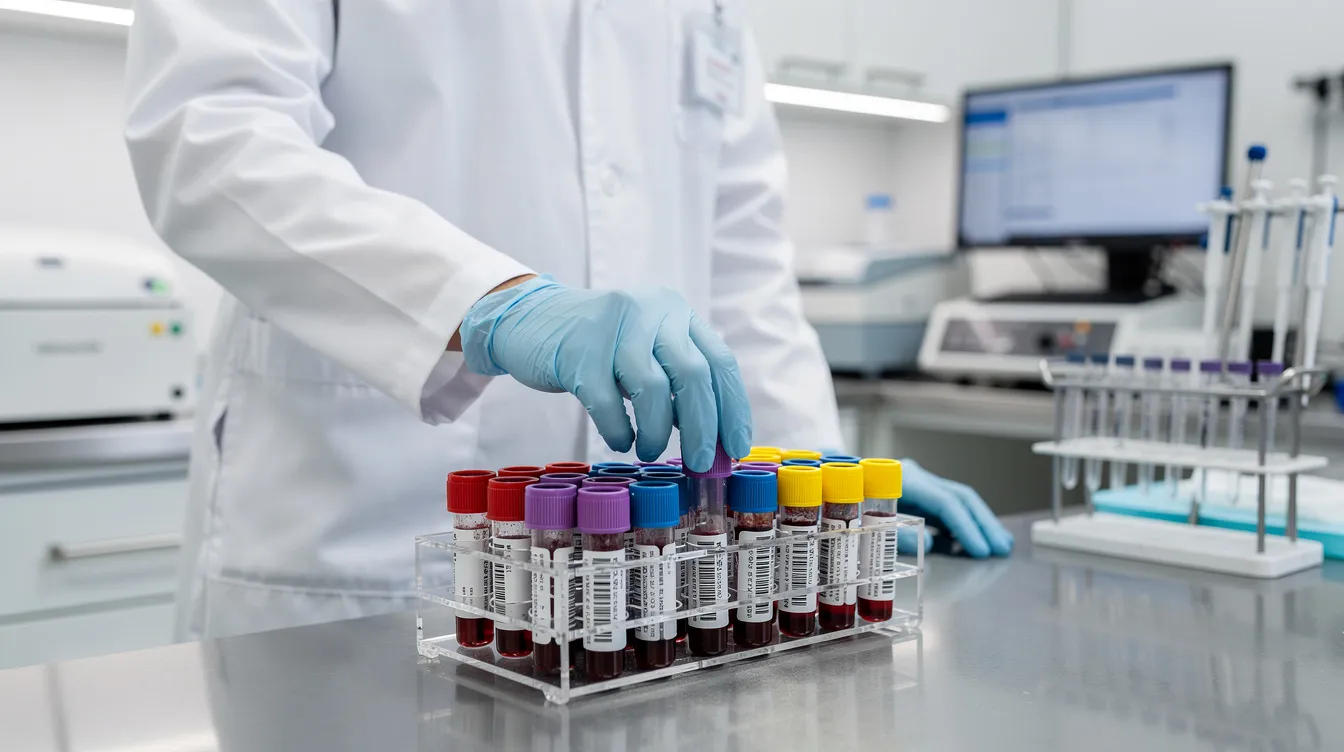
At Revitalizing Remedies, diagnostic testing and blood work help rule out thyroid issues, vitamin deficiencies, and other medical contributors to depressive symptoms.
Diagnosing Bipolar Depression vs. Unipolar Depression
To accurately diagnose bipolar disorder, clinicians must look beyond current symptoms and understand lifetime mood patterns. The diagnostic process includes a comprehensive psychiatric evaluation, medical history, family mental health history, and standardized screening tools-with specific questions about any past manic or hypomanic episodes.
Common reasons bipolar depression is missed:
- Patients only report depressive symptoms
- Past hypomanic episodes are viewed as "just being in a good mood"
- Manic behavior is mislabeled as personality traits
To diagnose bipolar disorder, a mental health provider must document at least one manic episode (for bipolar I) or a hypomanic episode plus major depressive episodes (for bipolar II), and rule out mood changes caused by substances or medical conditions (AAFP guidelines).
At Revitalizing Remedies in Hackettstown, the team uses physical exams, lab testing, and collaboration with primary care physicians to differentiate bipolar depression from other mental disorders. Getting a precise diagnosis is the first step toward choosing the safest and most effective treatment plan.
How Bipolar Depression Is Treated at Revitalizing Remedies
When bipolar disorder is treated early and consistently, patients experience fewer and less severe depressive episodes. Treating bipolar disorder requires a multi-layered approach, and multiple evidence-based options are available locally in Hackettstown.
Medication management. Lithium carbonate is a well-known mood stabilizer for bipolar disorder. Other options include atypical antipsychotics and anticonvulsants like lamotrigine. Bipolar disorder treatment often requires a combination of medications-sometimes more than one medication is needed. Antidepressants are used cautiously, always combined with stabilizing medications to prevent triggering mania. You cannot simply prevent bipolar disorder, but you can manage symptoms effectively with the right regimen.
Advanced treatments. For treatment-resistant bipolar depression, Revitalizing Remedies offers SPRAVATO® (esketamine) nasal spray for qualifying adults and transcranial magnetic stimulation (TMS) as noninvasive brain stimulation. A meta-analysis of 56 studies showed TMS achieves approximately 47% response and 28% remission in bipolar depression. Electroconvulsive therapy (ECT) can stabilize severe mood episodes when other treatments have not worked.
Psychotherapy. Psychotherapy helps develop coping strategies for bipolar disorder. Effective approaches include cognitive behavioral therapy (CBT), interpersonal and social rhythm therapy, family-focused talk therapy, and other treatments that help patients recognize early warning signs and stabilize daily routines-offering critical emotional support.
Complementary care. Revitalizing Remedies also provides micronutrient IV therapy, sleep and lifestyle counseling, and coordination with community therapists across Morris and Sussex Counties. Most treatment plans combine several approaches to reduce both manic and depressive episodes over time.
When to Seek Help in Hackettstown, NJ (and When It's an Emergency)
If you suspect bipolar depression or notice signs of bipolar disorder in yourself or a loved one, seek a professional evaluation rather than waiting for the next episode.
Schedule an appointment at Revitalizing Remedies if you notice:
- A depressed mood lasting at least two weeks
- Loss of interest in daily activities
- Major sleep changes or persistent fatigue
- Impaired work, school, or relationship functioning
- A prior diagnosis of major depression that is not improving despite treatment
Seek emergency care immediately for:
- Talk of suicide, specific plans, or self-harm behaviors
- Psychotic symptoms (hearing or seeing things that are not there)
- Dangerous manic behaviors like reckless driving or extreme spending
Call or text 988 for the Suicide & Crisis Lifeline. Call 911 or go to the nearest emergency room. Family members in Hackettstown should not leave someone at imminent risk alone. After a crisis is stabilized, Revitalizing Remedies can help build a longer-term plan to reduce future depressive episodes and improve safety.
Living With Bipolar Depression: Ongoing Management and Support
With consistent treatment, many people with bipolar disorder lead full, meaningful lives-even with occasional depressive episodes or mood symptoms. Teens' symptoms may differ from adults', but the same principles of ongoing care apply.
Key self-management strategies:
- Maintain a regular sleep schedule and manage stress through routine
- Track mood changes daily to spot early warning signs of both manic and depressive episodes
- Take medications exactly as prescribed
- Avoid alcohol and recreational substances
- Learn your personal triggers-seasonal shifts, sleep loss, major life changes
Build a local care team: a psychiatrist at Revitalizing Remedies, a therapist, and a primary care physician. Involving trusted family or friends who can notice mood shifts and accompany you to appointments makes a real difference. Periodic treatment adjustments are normal-medications may be fine-tuned, therapies changed, or advanced treatments like SPRAVATO® or TMS introduced if depressive episodes remain severe or frequent. Explore natural stress-management techniques alongside your clinical plan.

Frequently Asked Questions About Bipolar Depressive Disorder
Can I have bipolar depression if I've never had a manic episode?
Bipolar depression, by definition, occurs in people who have had at least one manic episode or hypomanic episode-even if that elevated period was mild or went unrecognized. Many people only remember depressive episodes and need a detailed evaluation to uncover past hypomanic symptoms like decreased sleep, increased energy, or impulsive decisions. Revitalizing Remedies can help distinguish between major depressive disorder and bipolar depression through a thorough history, symptom review, and medical workup.
Is bipolar depression more dangerous than regular depression?
Bipolar depressive episodes can carry a higher suicide risk, especially when mixed features-where the same symptoms of both mania and depression appear simultaneously-are present, and mood shifts can be more abrupt. Both bipolar depression and unipolar major depression are serious and deserve treatment, but bipolar disorder often needs more specialized medication strategies to avoid trigger mania. Suicide attempts are more common among people with bipolar disorder than in unipolar depression. Anyone with worsening depressive symptoms should get immediate help, then follow up with specialized care.
Can treatments like TMS or SPRAVATO® help with bipolar depression?
Transcranial magnetic stimulation (TMS) is an FDA-cleared, noninvasive treatment that uses magnetic pulses to stimulate specific areas of the brain involved in mood regulation. SPRAVATO® (esketamine) nasal spray is FDA-approved for adults with treatment-resistant depression, and some people with bipolar disorder symptoms may qualify depending on their diagnosis and medication regimen. At Revitalizing Remedies in Hackettstown, NJ, psychiatrists evaluate each patient's history-including past manic episodes-to decide whether and how to safely use these other treatments as part of a comprehensive plan.
Can lifestyle changes alone treat bipolar depressive episodes?
Healthy lifestyle habits-regular sleep, exercise, learning to manage stress, avoiding substances-are very important but usually not enough on their own for bipolar disorder. Bipolar depression is a medical condition involving brain chemistry and typically requires ongoing professional treatment, including medication and therapy. Combining self-care strategies with structured treatment through a clinic like Revitalizing Remedies gives the best chance of stability and recovery.
Does bipolar disorder ever go away completely?
Bipolar disorder is typically a lifelong condition, but with proper treatment many people experience long periods of mood stability and greatly reduced symptom severity. Manic and depressive episodes may become less frequent and less intense over time when treatment is consistent and early warning signs are addressed quickly. At Revitalizing Remedies, long-term relationships with patients are built to adjust care as life circumstances, goals, and treatments evolve.
Ready to Get Help for Bipolar Depression in Hackettstown, NJ?
If you recognize the symptoms of bipolar disorder-or if long-lasting depressive episodes have been disrupting your life or the life of someone you love-now is the time to reach out. Revitalizing Remedies in Hackettstown, New Jersey provides comprehensive bipolar disorder care: psychiatric evaluation, medication management, SPRAVATO®, TMS therapy, diagnostic testing, micronutrient IV therapy, and coordination of psychotherapy.
The clinic accepts all major insurance plans, including Medicare and Medicaid, making advanced bipolar depression treatment accessible for residents across Morris and Sussex Counties and the greater Hackettstown area.
Call the clinic today, request an appointment online, or complete the new patient forms to schedule your consultation. Bipolar disorder can be treated. You do not have to manage depressive episodes alone-and the Revitalizing Remedies team is ready to help you take the next step toward stability and relief.
Blood Work in Hackettstown, NJ: Diagnostic Testing for Better Mental Health at Revitalizing Remedies