Psychological Therapy vs. Psychiatry: Understanding Your Mental Health Treatment Options
If you've ever wondered whether you need a therapist, a psychiatrist, or both, you're asking the right question. Psychological therapy and psychiatry are two distinct but deeply complementary disciplines, and understanding how they work together can be the difference between partial relief and lasting recovery. This guide breaks down what each approach offers, the evidence behind combining them, and how to find the right care in New Jersey.
Key Takeaways
- Psychological therapy (psychotherapy) and psychiatry are not competing options - they work best as partners. At Revitalizing Remedies in Hackettstown, NJ, both are available under one roof.
- Therapy focuses on structured conversations, coping skills, and behavioral change. Psychiatry focuses on diagnosis, medication, and ruling out medical causes of symptoms.
- Research consistently shows combined treatment can be more beneficial than either alone, with remission rates around 46% for combined therapy and medication versus roughly 34% for psychotherapy alone in moderate-to-severe depression.
- Revitalizing Remedies provides a full spectrum of care - therapy, medication management, SPRAVATO® (esketamine), TMS, diagnostic testing, and more - for adults across Warren County and surrounding areas.
- Seeking support for mental health is as normal and necessary as seeing a doctor for blood pressure or diabetes. Early intervention matters.
What Is Psychological Therapy?
Psychological therapy - also called psychotherapy or talk therapy - is a structured, evidence-based treatment where a trained professional helps you work through mental health conditions, emotional stressors, and problematic behaviors using conversation, skill-building, and guided insight. About 75% of people benefit from psychotherapy according to research, making it one of the most effective interventions available.
Therapy sessions typically last 30 to 50 minutes per appointment, usually scheduled weekly or biweekly at first. Formats include individual, couples, family, and group therapy. Treatment can be short-term (8–20 sessions) for focused issues like a specific phobia or adjustment to a life change, or long-term for complex trauma, personality patterns, or chronic depression.
The core goal is straightforward: help you identify and change unhelpful thinking, behaviors, and relationship patterns; process trauma and grief; and build coping skills that stick. Common conditions addressed include major depressive disorder, generalized anxiety disorder, PTSD, obsessive compulsive disorder, bipolar disorder (alongside medication), and adjustment issues like divorce or job loss.
There are many different approaches and different types of therapy - cognitive behavioral therapy, psychodynamic therapy, humanistic therapy, holistic therapy, and more - which we'll break down below. At Revitalizing Remedies, psychological therapy is part of a broader, integrated plan that can also include psychiatric care, diagnostic testing, and advanced treatments.
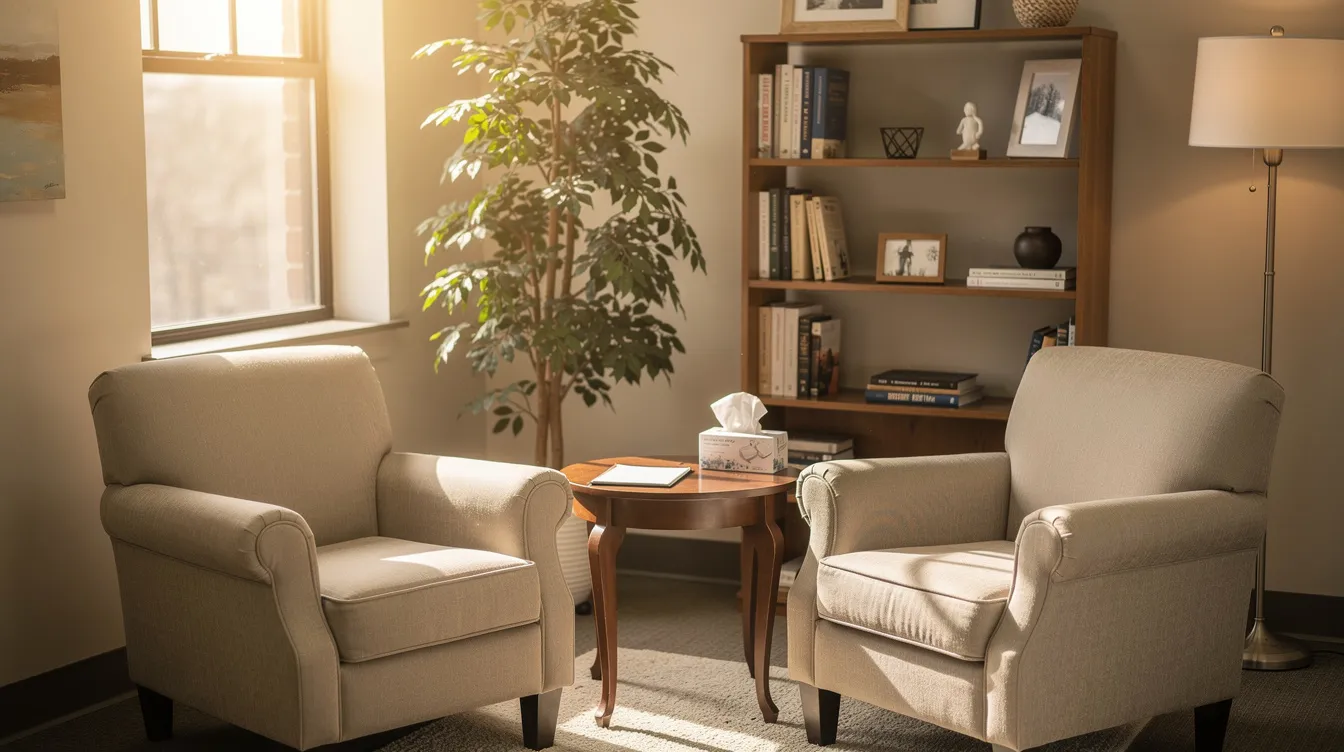
Psychological Therapy vs. Psychiatry
Think of therapy and psychiatry as two sides of the same coin. Therapy addresses psychological processes - how you think, feel, and relate to others. Psychiatry addresses brain chemistry, physical health, and medication. Psychotherapy and medication are common mental health treatments, and most people with moderate-to-severe conditions benefit from both.
Psychiatrists are medical doctors (MD or DO) who complete medical schools and a psychiatric residency. They can prescribe medications, order lab work, and evaluate whether medical issues - thyroid disease, vitamin deficiencies, anemia - are contributing to mood symptoms. Psychotherapists include psychologists, licensed professional counselors, certified counselors, clinical social workers, and some psychiatric nurse practitioners who primarily deliver talk therapy rather than prescribing medication.
Here's a concrete example: a person receiving treatment for treatment-resistant depression at Revitalizing Remedies might see a psychiatrist for medication adjustment or SPRAVATO® (esketamine) while also working weekly with a therapist using cognitive behavioral therapy to rebuild daily functioning and coping strategies. Medication may be indicated in some mental health cases - particularly severe anxiety, psychosis, mania, or suicidal ideation - while for milder conditions like situational stress, psychological therapy alone may be enough.
At Revitalizing Remedies, psychiatric providers and therapists coordinate care, so patients don't feel forced into choosing one or the other. Instead, they receive a personalized combination of both.
Common Therapy Approaches and Different Types of Treatment
Many therapists blend different approaches to match each client's needs, but here are the common forms you should know:
- Cognitive behavioral therapy (CBT): The gold standard for treating anxiety disorders. CBT helps combat negative thought patterns and replace them with more realistic, constructive ones. It often includes homework like thought records or behavioral experiments. Aaron Beck developed this approach in the 1960s, and it remains the most researched modality for depression and anxiety.
- Psychodynamic therapy: Rooted in the work of Sigmund Freud and later theorists, psychodynamic therapy focuses on self-awareness and identifying root causes - unconscious patterns, early life experiences, and relationship themes that shape current emotions.
- Humanistic therapy: A client-centered approach emphasizing personal acceptance and achieving life goals. It focuses on empathy, self awareness, and personal growth during life transitions or identity exploration.
- Psychoanalytic therapy: Closely related to psychodynamic work, psychoanalytic therapy explores the unconscious mind's influence on behavior through deeper, longer-term process.
- Holistic therapy / Integrative therapy: Addresses the mind, body, and spirit connection. May incorporate mindfulness, lifestyle changes, and complementary strategies alongside mainstream clinical psychology methods.
- Dialectical behavior therapy (DBT): A CBT variant focused on emotional regulation and distress tolerance, especially for borderline personality disorder or severe emotion dysregulation.
- Interpersonal therapy (IPT): Targets interpersonal difficulties related to depression and helps improve communication skills and social functioning.
- Exposure therapy: Involves repeated exposure - gradually confronting anxiety-provoking situations to lower avoidance. Commonly used for PTSD and phobias.
- Acceptance and Commitment Therapy (ACT): Encourages changing the relationship with anxious thoughts rather than eliminating them.
- Mindfulness-Based Cognitive Therapy (MBCT): Combines cognitive therapy techniques with mindfulness strategies to prevent depressive relapse.
- Behavioral Activation (BA): Helps individuals engage in rewarding activities to combat depression when motivation has collapsed.
At Revitalizing Remedies, therapists help clients understand which types of therapy fit their goals, mental health conditions, and preferences - no need to know the right label before you walk in.

Mental Health Conditions and Issues Psychological Therapy Can Treat
Psychological therapy is a core part of care for a wide range of mental health conditions. Here are the key categories commonly seen at treatment centers like Revitalizing Remedies:
- Major depressive disorder, including treatment-resistant depression
- Generalized anxiety and panic disorder
- Social anxiety
- PTSD and complex trauma
- Obsessive compulsive disorder
- Bipolar disorder (as an add-on to medication)
- Mood disorders and other mental disorders
CBT is often recommended as the first-line treatment for generalized anxiety disorder, and the best therapy for anxiety depends on the specific type and severity of symptoms. Most evidence-based anxiety therapies are short-term, typically lasting 3 to 6 months.
Therapy also treats people dealing with non-diagnosed but serious life challenges: grief, burnout, chronic stress, caregiver burden, and adjusting to a loved one's illness. Veterans, first responders, and healthcare workers - groups with high rates of trauma and depression - often benefit from specialized trauma-focused care.
For severe or treatment-resistant depression, Revitalizing Remedies combines psychotherapy with advanced options like SPRAVATO®, TMS Therapy, and careful medication management for better outcomes than talk therapy alone.
Medication and Therapy Together: How They Work as a Team
Decades of research confirm that combination approaches with medication and psychotherapy may yield better results for depression and many anxiety disorders. A network meta-analysis of depression treatments found combined therapy outperformed psychotherapy alone and pharmacotherapy alone by roughly 25–27% in response rates.
Medication stabilizes brain chemistry - reducing severe symptoms like suicidal thoughts, extreme anxiety, or psychosis - and improves sleep and appetite so the person can fully engage in therapy. Psychological therapy teaches lasting coping mechanisms, addresses root causes such as trauma or negative core beliefs, improves the relationship between thoughts and emotions, and helps prevent relapse when medications are reduced.
Psychotherapy can address specific issues even with medication. For example, a patient on an antidepressant might still carry deep-seated cognitive distortions or unresolved trauma that only structured counseling can reach.
At Revitalizing Remedies, this looks like pairing CBT or psychodynamic therapy with SPRAVATO® for treatment-resistant depression, or using therapy alongside TMS to reinforce cognitive and behavioral changes. Diagnostic blood work helps rule out physical contributors - thyroid dysfunction, micronutrient deficiencies - and micronutrient IV therapy may complement standard psychiatric and psychological interventions in select cases.
The exact combination of mental health services is tailored to the individual and regularly reviewed. A strong therapeutic alliance is crucial for effective mental health treatment outcomes, and that alliance depends on honest, ongoing communication between patients, therapists, and psychiatrists.
Choosing a Mental Health Professional in New Jersey
Finding the right therapist or psychiatrist can feel overwhelming when you're already struggling. Here's a quick breakdown of the main types of mental health professionals:
| Professional | Degree | Can Prescribe? | Primary Role |
|---|---|---|---|
| Psychiatrist | MD / DO | Yess | Diagnosis, medication, medical evaluation |
| Psychologist | PhD / PsyD | No (in most states) | Psychotherapy, psychological testingmail.com |
| Licensed Professional Counselor (LPC) | Master's | No | Counseling, therapy |
| Licensed Clinical Social Worker (LCSW) | Master's (MSW) | No | Therapy, case management |
| Psychiatric Nurse Practitioner (PMHNP) | Master's / DNP | Yes | Medication, some therapy |
When choosing, consider: clinical experience with your specific condition, the types of therapy offered, appointment availability, and your comfort level during initial consultations. Providers like Calm & Sense Therapy, which has four locations in New Jersey, and integrated clinics like Revitalizing Remedies offer different models of care.
Mental health services must be covered by insurance under federal law. Verify that your provider accepts your plan - including Medicare and Medicaid - and confirm coverage for telehealth if you prefer virtual sessions. For residents of Hackettstown, Warren County, Washington, Long Valley, Lopatcong, Phillipsburg, and Easton, PA, choosing a local provider reduces travel barriers and supports consistent attendance.
Prepare a brief list of questions for your first appointment: What are realistic treatment goals? How long might treatment last? How will we track progress? Taking personal responsibility for your care starts with asking the right questions.

Frequently Asked Questions About the Right Psychological Therapy for You
These FAQs address common questions to help you make informed decisions about your mental health care.
How do I know if I need therapy, medication, or both?
There's no single threshold, but persistent sadness lasting more than two weeks, panic attacks, sleep changes, or difficulty functioning at work or home all suggest it's time to seek help from a licensed mental health professional. For mild stress or situational issues, starting with psychological therapy alone may be appropriate. For severe symptoms - suicidal thoughts, hallucinations, inability to get out of bed - evaluation for medication by a psychiatric provider is important.
Schedule a comprehensive assessment where clinicians can recommend whether therapy, psychiatry, or a combination is the right first step.
What happens in a first therapy or psychiatry appointment?
Expect a review of current symptoms, medical and mental health history, medications, family history, and major life events. You'll discuss goals for treatment and any immediate safety concerns. You're not required to share every detail in the first session - honest information simply helps the clinician make safe, accurate recommendations. At Revitalizing Remedies, initial visits may include or lead to diagnostic testing if there's concern about underlying medical factors.
Can I do therapy online if I live in New Jersey?
New Jersey offers both in-person and virtual therapy options. Telehealth therapy and medication management are widely available, allowing patients to connect with licensed providers from home via secure video platforms. Benefits include easier scheduling, increased privacy, and access for those in rural areas or with limited transportation around Warren County. Confirm that your provider is licensed in New Jersey and that your insurance covers telehealth mental health treatment.
How long does it usually take to feel better?
Timelines vary, but many people notice improvement after 4–6 therapy sessions and more significant change within 8–12 sessions with consistent engagement. Medications can take several weeks to reach full effect. Advanced treatments like TMS or SPRAVATO® follow specific treatment schedules your provider will explain. If you don't feel progress, discuss it openly so your treatment plan can be adjusted - whether that means a different modality, a new therapist, or a medication change.
Is therapy confidential, and will it affect my job or insurance?
Psychological therapy and psychiatric care are confidential, protected by federal and New Jersey state laws related to health and human services. Limited exceptions exist for safety - risk of harm to self or others - or court orders. Using insurance requires a mental disorder diagnosis to be recorded, but most employers only see billing information, not therapy notes. If you have concerns about privacy, raise them directly with your therapist or psychiatrist at the first visit. Other mental health professionals - social workers, counselors, psychologists - are bound by the same confidentiality standards.
Take the Next Step: Integrated Mental Health Treatment at Revitalizing Remedies
You don't have to navigate this alone. Whether you're dealing with life stress, a specific condition like treatment-resistant depression, or you're unsure where to start, integrated care meets you where you are.
Revitalizing Remedies offers a full spectrum of evidence based treatment under one roof in Hackettstown, NJ: psychological therapy, psychiatry and medication management, SPRAVATO® for treatment-resistant depression, TMS Therapy, diagnostic testing, micronutrient IV therapy, and emerging psychedelic-assisted approaches. We accept major insurance plans, including Medicare and Medicaid.
Adults across Warren County - Hackettstown, Washington Township, Harmony Township, Long Valley, Phillipsburg, Easton, and beyond - deserve accessible, compassionate mental health care. Contact Revitalizing Remedies today to schedule a consultation, complete your new patient forms, or learn more about personalized mental health services in New Jersey. Your next step could change your life.
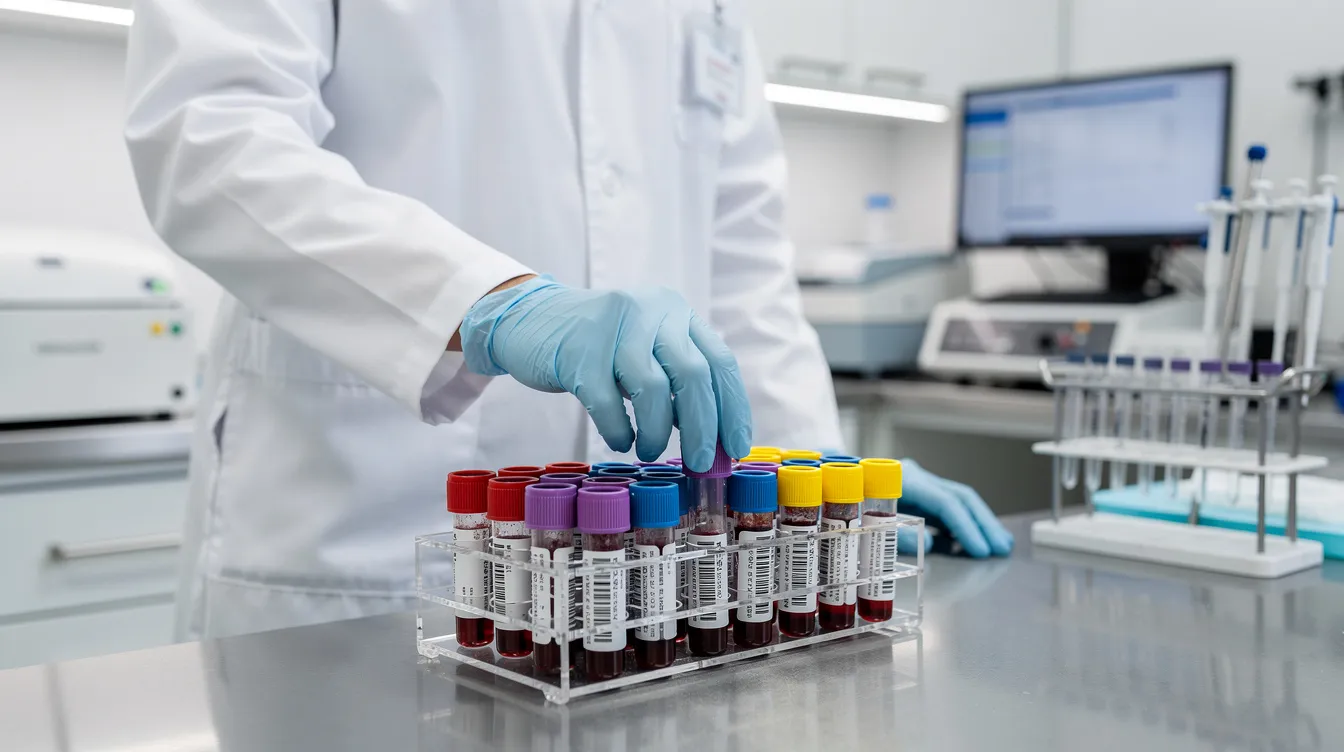
Blood Work in Hackettstown, NJ: Diagnostic Testing for Better Mental Health at Revitalizing Remedies