PTSD in Paramedics: Understanding PTSD in First Responders, EMTs, Police Officers, and Firefighters
The Invisible Scars of Heroism: Mental Health and How to Support Those Who Serve
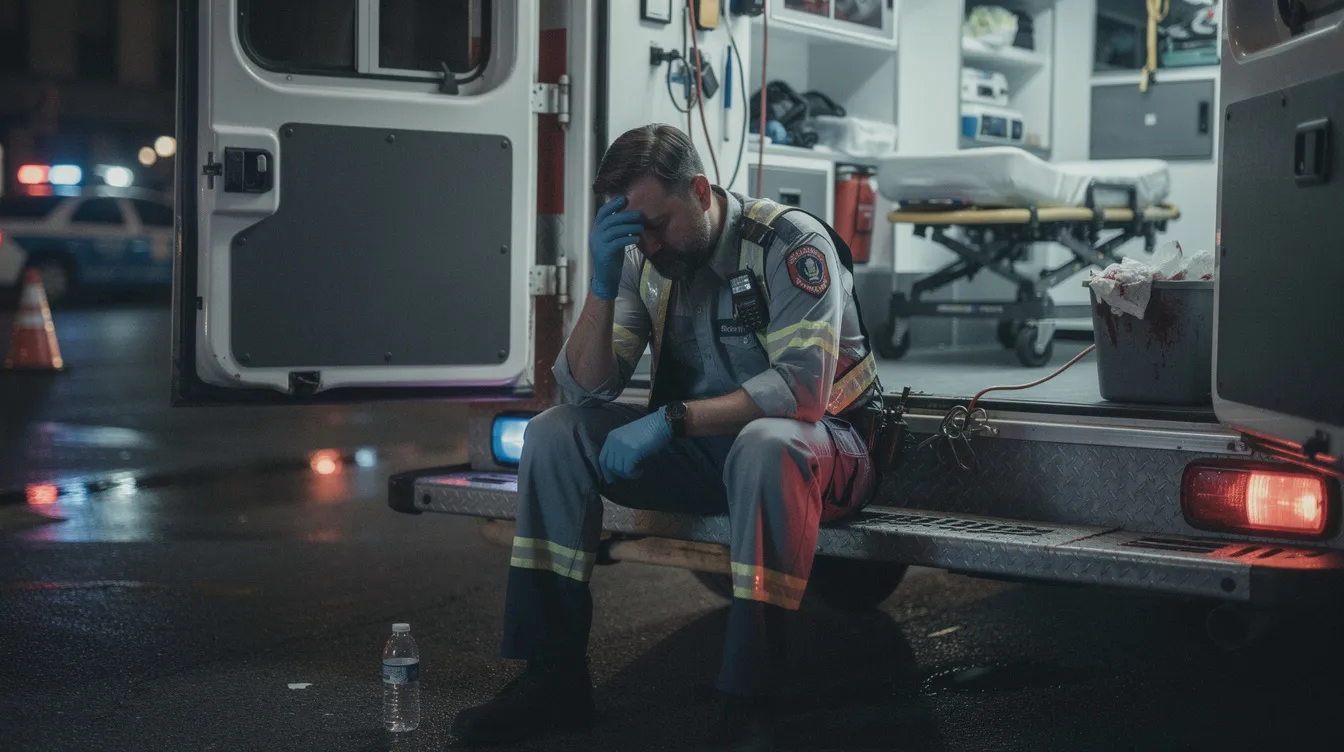
First responders are the backbone of public safety and emergency response, facing challenges daily that most of us can hardly imagine. Paramedics and other rescue workers are at high risk because more than 80 percent of first responders experience traumatic events on the job, and roughly 1 in 3 may develop PTSD. Paramedics, EMTs, police officers, and firefighters put their lives on the line to protect and serve others, but their heroic work often comes with a hidden cost: Post-Traumatic Stress Disorder (PTSD). This article focuses on PTSD in paramedics and other first responders, exploring its causes, symptoms, and treatment options.
This comprehensive guide is intended for paramedics, first responders, their families, and anyone interested in mental health. We will cover the unique challenges faced by first responders, the signs and symptoms of PTSD, the profound impact PTSD can have on both personal and professional lives, and the latest treatment options available. Understanding PTSD in this group is crucial because it not only affects the well-being of those who serve but also impacts the safety and effectiveness of the communities they protect.
At Revitalizing Remedies in Hackettstown, NJ, we are committed to supporting first responders by providing cutting-edge therapies and compassionate mental health treatment designed to address the unique challenges they face.
The Unique Challenges of First Responders
First responders are frequently exposed to high-stress situations, including life-threatening emergencies, violent incidents, and loss of life, often while making quick decisions under pressure. Over time, repeated exposure can take a toll on mental health, and understanding the differences between an acute stress reaction, chronic stress, and longer-term posttraumatic stress disorder is important for paramedics, fire fighters, and members of rescue teams alike.
Unlike the general population, first responders often face a unique stigma when it comes to seeking mental health support. Many feel a societal or internal pressure to appear strong and unaffected, which can lead to delayed or avoided treatment. At Revitalizing Remedies, we work to break these barriers by creating a safe and welcoming environment for holistic psychiatric care in Hackettstown.
Transitioning from understanding these unique challenges, it is essential to recognize the signs and symptoms of PTSD that may develop as a result.
Signs and Symptoms of PTSD in First Responders
PTSD can manifest differently in every individual, but symptoms generally fall into four categories: arousal, avoidance, cognition, and re-experiencing. PTSD symptoms are categorized into these four groups, with individuals needing to experience a certain number of symptoms from each category for a diagnosis.
- Arousal: This category includes symptoms such as hypervigilance, exaggerated startle response, irritability, difficulty sleeping, and trouble concentrating. These symptoms reflect a heightened state of alertness and can make it difficult for paramedics to relax or feel safe.
- Avoidance: Individuals may avoid places, people, or activities that remind them of the traumatic event. This can lead to withdrawal from work, social situations, or even family life.
- Cognition: Negative changes in mood and thinking, such as persistent negative beliefs about oneself or the world, emotional numbness, blame, guilt, and detachment from loved ones, fall under this category.
- Re-experiencing: This includes intrusive memories, flashbacks, or nightmares related to the traumatic event, causing the individual to relive the trauma repeatedly.
Common symptoms of PTSD in first responders include:
- Intrusive memories or flashbacks of traumatic events
- Avoidance of places, people, or activities associated with the trauma
- Hypervigilance or an exaggerated startle response
- Difficulty sleeping or concentrating, sometimes alongside physical symptoms such as headaches, fatigue, or muscle tension
- Emotional detachment or a sense of hopelessness, including negative changes in mood and cognition, emotional numbness, blame, guilt, and detachment from loved ones
PTSD in paramedics can profoundly impact both personal and professional lives. Symptoms can severely impair a paramedic's cognitive focus, personal relationships, and overall career longevity, affecting their ability to perform their duties and maintain healthy connections outside of work.
Early recognition can help identify changes in behavior, mood, and other trauma symptoms before they worsen. Recognizing these symptoms is the first step; next, let's address the stigma that prevents many from seeking help.
Breaking the Stigma Around Mental Health
Addressing PTSD among first responders starts with breaking the stigma. Education and awareness are key to normalizing conversations about mental health. Leaders within emergency services should foster an environment where seeking help is seen as a sign of strength, not weakness.
Many first responders maintain a strong facade because they fear being seen as weak or unfit for duty. At Revitalizing Remedies, we partner with first responders and their organizations to provide tailored education, outreach, and resources to normalize mental health care.
Support from colleagues can make it easier to discuss symptoms and seek care.
By breaking the stigma, we pave the way for effective treatment and recovery. Next, let's explore the treatment options available for first responders experiencing PTSD.
Treatment Options Available at Revitalizing Remedies
Modern treatments for PTSD are more effective and accessible than ever. At our Hackettstown facility, we offer a variety of evidence-based approaches, including:
Therapy
Cognitive Behavioral Therapy (CBT) and Eye Movement Desensitization and Reprocessing (EMDR) are core components of our depression and trauma-focused therapy services in NJ, and are particularly effective for processing trauma as part of the healing process and supporting both mental and physical recovery.
Medication Management
Our expert team can guide first responders in exploring personalized mental health medication and treatment options in NJ that support recovery. Avoiding alcohol and substance use can improve long-term outcomes, while self-medicating may worsen symptoms over time.
Alternative Therapies
Practices such as mindfulness, yoga, and Transcranial Magnetic Stimulation (TMS) as an FDA-approved treatment are emerging as complementary tools for healing, and practical supports like sleep hygiene and decompression routines can also help between shifts. Revitalizing Remedies specializes in innovative TMS treatment for depression and PTSD, which is non-invasive and highly effective for PTSD and depression.
Choosing the right treatment is a personal journey, and support is available every step of the way. Now, let’s discuss how you can support first responders in your community.
Supporting First Responders in Hackettstown and Beyond
If you know a first responder struggling with PTSD, here are a few ways to help:
- Encourage open communication without judgment, and consider peer support programs so trusted colleagues can help reduce isolation.
- In a crisis, reach out to specialized support lines such as Safe Call Now or the 988 Suicide & Crisis Lifeline.
- Familiarize yourself with local mental health resources, such as those offered by Revitalizing Remedies.
- Advocate for mental health initiatives within emergency service organizations.
Supporting first responders is a community effort, and the opening of our Revitalizing Remedies wellness and mental health center in Hackettstown has expanded local access to innovative care. Next, discover why Revitalizing Remedies is uniquely positioned to help.
Why Choose Revitalizing Remedies?
Located in the heart of Hackettstown, NJ, Revitalizing Remedies is dedicated to helping first responders reclaim their mental health and well-being, drawing on insights and resources shared in our Revitalizing Remedies mental health and wellness blog. Our experienced team understands the unique demands of emergency service roles and works tirelessly to provide personalized, compassionate care.
Our commitment to innovation, understanding, and the trusted care reflected in our patient testimonials from Revitalizing Remedies NJ ensures that every first responder receives the support they need. As we conclude, let’s reflect on the importance of addressing PTSD in this vital group.
Final Thoughts
First responders are true heroes, but even heroes need help sometimes. Untreated PTSD can impair cognitive focus, strain relationships, shorten career longevity, and contribute to absenteeism, turnover, or early retirement. PTSD in paramedics can profoundly impact both their personal and professional lives, affecting their ability to serve the community and maintain healthy relationships at home. By fostering understanding, breaking stigmas, and supporting effective treatment, we can help these brave individuals heal from the invisible scars of their service.
If you or someone you know is struggling, Revitalizing Remedies in Hackettstown, NJ is here to provide the care and support needed to make a difference. Contact us today to learn more about our PTSD treatment options and how we can help.
Now, let’s address some of the most frequently asked questions about PTSD in paramedics and first responders.
Frequently Asked Questions About Post Traumatic Stress Disorder in Paramedics and First Responders
What is the prevalence of PTSD in paramedics and emergency ambulance personnel?
- Studies show that paramedics and emergency ambulance personnel have higher prevalence rates of PTSD compared to the general population.
- Several studies indicate that around 20-40% of ambulance personnel may develop posttraumatic stress symptoms due to trauma exposure and critical incidents encountered on the job.
- One study found that about 40% of first responders were at high risk for or screened positive for PTSD, reflecting higher rates than earlier 15-25% estimates.
- A systematic review of UK emergency ambulance workers and related ambulance personnel research has also highlighted the scale of this burden, with findings discussed in the Emergency Medicine Journal.
What are common PTSD symptoms experienced by paramedics?
Common symptoms include:
- Intrusive memories
- Flashbacks
- Emotional numbness
- Avoidance behaviors
- Hypervigilance
- Sleep disturbances
- Irritability
- Difficulty concentrating
These symptoms can impact both their professional performance and personal relationships.
What factors increase the risk of developing PTSD among emergency workers?
Risk factors include:
- Cumulative exposure to traumatic events
- Dysfunctional coping strategies
- High organizational stress
- Proximity to critical incidents
- Lack of social support
In research on risk factors, PTSD is the key outcome, but predictors do not operate in isolation and there are important differences across studies in exposure, support, and organizational factors.
How can paramedics cope with PTSD symptoms?
Effective coping strategies include:
- Seeking professional mental health services administration
- Engaging in therapy such as CBT, EMDR, or ketamine therapy for treatment-resistant PTSD and depression
- Utilizing peer support
- Practicing mindfulness
- Developing resilience factors to manage the emotional burden of their work
What treatment approaches are available for PTSD in paramedics?
Treatment approaches include:
- Evidence-based therapies like cognitive behavioral therapy (CBT)
- Eye movement desensitization and reprocessing (EMDR)
- Medication management
- Innovative treatments such as Transcranial Magnetic Stimulation (TMS)
Early intervention and a comprehensive treatment approach improve outcomes.
Why is it important to address PTSD in paramedics and emergency workers?
- Emergency workers face increased rates of mental health problems compared with the general population.
- Addressing PTSD is crucial to reduce poor mental health outcomes, prevent substance abuse, improve job performance, and enhance the overall well-being of emergency workers.
- Early identification and treatment help mitigate the long-term consequences of trauma exposure.
What barriers prevent paramedics from seeking help for PTSD?
Barriers include:
- Stigma
- Fear of being perceived as weak
- Lack of awareness
- Insufficient mental health resources within emergency services organizations
These often act as barriers to care for paramedics experiencing PTSD symptoms.
How can organizations support paramedics with PTSD?
Organizations can support paramedics by:
- Fostering a culture that encourages help-seeking
- Providing access to mental health services, including partnerships with specialized mental health and TMS care centers in New Jersey
- Offering downtime after critical incidents
- Implementing resilience training programs to reduce the emotional burden and cumulative effect of trauma, and considering psychedelic-assisted therapy for complex trauma and PTSD where appropriate
Colleagues can also help identify changes in mood or behavior and encourage early support.
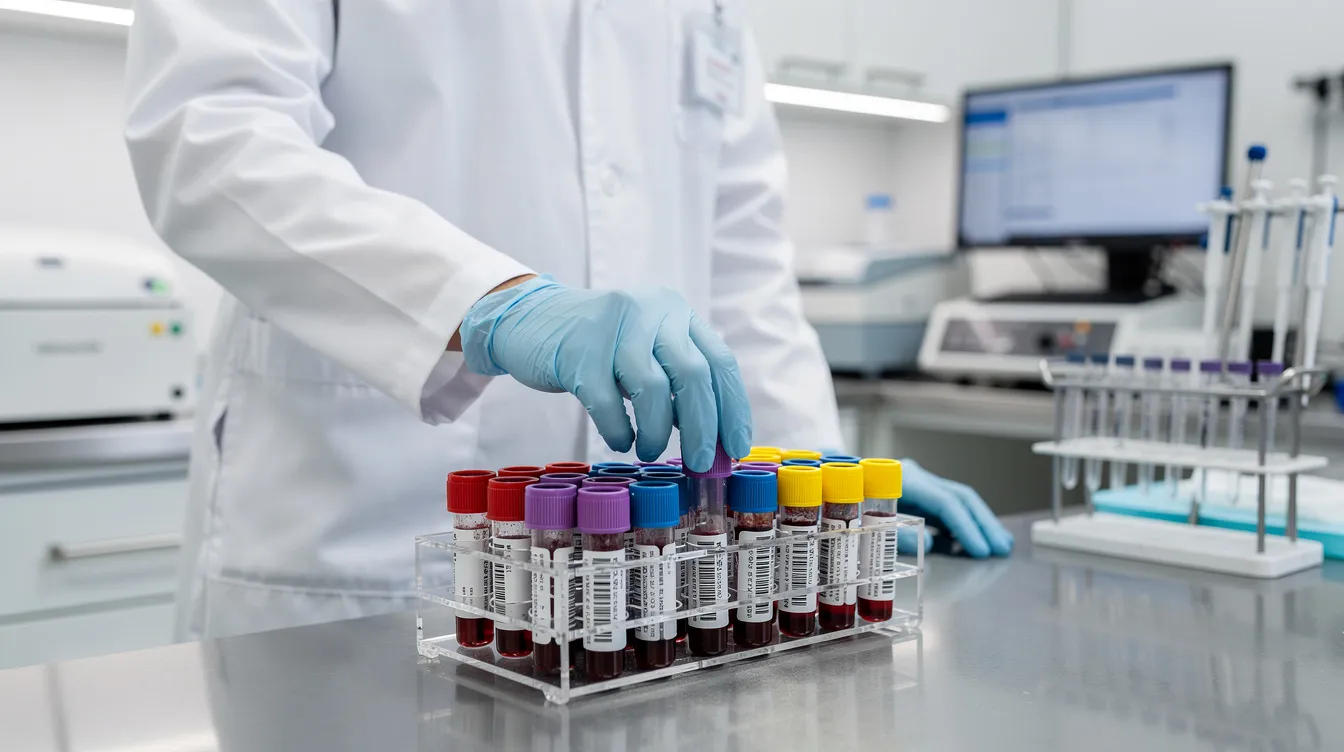
Blood Work in Hackettstown, NJ: Diagnostic Testing for Better Mental Health at Revitalizing Remedies